

Introduction
Fashion has always reflected culture, identity, and creativity. Over the last decade, however, consumers have started asking deeper questions about where clothes come from, who makes them, and how production affects the environment. Rising awareness about pollution, labor conditions, and waste has pushed the industry toward more responsible practices.
Many shoppers now want clothing that not only looks stylish but also supports ethical manufacturing and environmental protection. This shift has encouraged brands, designers, and retailers to rethink traditional methods and adopt cleaner, fairer systems.
When people ask what is sustainable fashion, they are exploring a movement focused on reducing environmental damage, protecting workers, and encouraging long-lasting clothing choices. The concept goes beyond trends and highlights a more thoughtful relationship between consumers and the fashion industry.
Sustainable fashion promotes ethical labor, eco-friendly materials, reduced waste, and smarter consumer habits.
Understanding the Core Meaning of Sustainable Fashion

The modern apparel industry produces billions of garments every year. Fast production cycles often lead to excessive waste, high water consumption, and poor labor conditions. Sustainable fashion aims to reduce these negative impacts while encouraging responsible manufacturing.
At its core, the movement supports quality over quantity. Instead of buying disposable items designed for short-term use, consumers are encouraged to invest in durable pieces that remain wearable for years.
Another major principle involves transparency. Ethical brands openly discuss their sourcing, factory conditions, and environmental initiatives so buyers can make informed decisions.
People researching what is sustainable fashion often discover that it includes environmental, social, and economic responsibility working together. The goal is to create clothing in a way that respects both people and the planet.
Key Principles of Responsible Fashion
| Principle | Purpose | Consumer Benefit |
|---|---|---|
| Ethical Labor | Ensures fair wages and safe conditions | Supports workers’ rights |
| Eco-Friendly Fabrics | Reduces pollution and waste | Healthier materials for wearers |
| Slow Production | Limits overconsumption | Better garment quality |
| Recycling and Reuse | Minimizes landfill waste | Encourages cost savings |
| Transparency | Builds trust between brands and buyers | More informed purchasing decisions |
Why the Fashion Industry Needed Change
The traditional fashion system has long relied on mass production and rapid trend cycles. While this model makes inexpensive clothing widely available, it also creates major environmental challenges.
Textile production consumes enormous amounts of water and energy. Synthetic materials release microplastics into waterways, while excess inventory often ends up in landfills.
Labor practices have also faced criticism. In some regions, garment workers receive low wages and work in unsafe conditions. These issues pushed consumers and activists to demand reform.
Understanding what is sustainable fashion helps consumers recognize how personal shopping habits influence global systems. Even small changes in buying behavior can encourage brands to improve their practices.
Environmental Problems Linked to Fast Fashion
- Massive textile waste entering landfills every year.
- High carbon emissions from manufacturing and transportation.
- Chemical pollution caused by dyeing and fabric treatments.
- Excessive water usage during cotton cultivation.
- Short product lifecycles that encourage constant replacement.
Eco-Friendly Materials Transforming Modern Clothing
Fabric selection plays a huge role in responsible fashion. Traditional materials can require heavy pesticide use, chemical processing, or energy-intensive manufacturing. Sustainable alternatives help reduce environmental strain.
Organic cotton is one popular option because it limits harmful chemicals during farming. Hemp and linen also require less water compared to conventional cotton.
Recycled materials are becoming increasingly common as well. Brands now create jackets, shoes, and sportswear from recycled plastic bottles and textile waste.
Consumers exploring what is sustainable fashion frequently learn that material innovation is one of the industry’s biggest drivers of change. Advanced fabrics allow companies to create stylish clothing with lower environmental impact.
Popular Sustainable Fabrics
| Fabric | Main Advantage | Common Uses |
|---|---|---|
| Organic Cotton | Reduced pesticide use | T-shirts, jeans |
| Hemp | Durable and water-efficient | Casual wear |
| Linen | Biodegradable and breathable | Summer clothing |
| Tencel | Produced from renewable wood pulp | Dresses, shirts |
| Recycled Polyester | Reuses plastic waste | Sportswear, jackets |
The Rise of Slow Fashion
Slow fashion encourages consumers to move away from impulse purchases and toward intentional buying habits. Instead of purchasing multiple low-quality garments each season, shoppers focus on timeless designs and durable craftsmanship.
This approach reduces waste and helps people build wardrobes filled with versatile pieces. It also supports brands that prioritize fair labor and responsible sourcing.
Repairing clothing is another important aspect of slow fashion. Simple practices such as mending tears, replacing buttons, or tailoring garments can extend product lifespan significantly.
As discussions about what is sustainable fashion continue growing, the slow fashion movement has become a powerful alternative to overconsumption.
Signs of a Slow Fashion Brand
- Produces limited collections rather than weekly trends.
- Shares details about suppliers and manufacturing.
- Uses durable fabrics and timeless designs.
- Encourages recycling, resale, or garment repair.
- Maintains ethical working conditions.
Ethical Labor and Human Rights in Fashion

Sustainability is not only about the environment. Human welfare is equally important. Millions of garment workers worldwide contribute to the global fashion industry, yet many face low wages and difficult conditions.
Ethical fashion brands aim to create safer workplaces, provide fair compensation, and support employee well-being. Certifications and third-party audits help verify these commitments.
Consumers can support ethical labor by researching company policies and avoiding brands known for exploitative practices.
Learning what is sustainable fashion also means understanding the human stories behind clothing production. Every purchase can either support or challenge harmful labor systems.
Ethical fashion promotes safe working conditions, reasonable hours, and fair treatment for factory employees.
How Sustainable Fashion Reduces Waste
Waste reduction is one of the movement’s most important goals. The fashion industry generates enormous amounts of discarded fabric and unsold inventory every year.
Many brands now use zero-waste pattern cutting, fabric recycling, and made-to-order systems to reduce excess production. Some companies even transform old garments into entirely new products.
Consumers can participate by donating unused clothes, shopping secondhand, or organizing clothing swaps with friends and family.
People interested in what is sustainable fashion often discover that waste reduction starts at home. Extending the life of existing garments is one of the simplest ways to reduce environmental impact.
Easy Waste-Reduction Habits
- Buy fewer but higher-quality garments.
- Donate clothing instead of throwing it away.
- Wash garments in cold water when possible.
- Repair damaged items before replacing them.
- Choose timeless styles over short-lived trends.
Technology and Innovation Driving Sustainable Fashion
Technology is reshaping how clothing is designed, produced, and distributed. Many companies now use digital tools to improve efficiency and minimize waste.
Artificial intelligence helps brands predict demand more accurately, reducing overproduction. Digital sampling allows designers to test ideas virtually before creating physical garments.
Innovative dyeing methods also reduce water and chemical usage. Some startups are developing biodegradable textiles and lab-grown materials to replace traditional fabrics.
For consumers exploring responsible apparel practices, technology reveals how innovation can help the industry become cleaner and more efficient.
Emerging Innovations in the Industry
| Innovation | Environmental Benefit |
|---|---|
| Waterless Dyeing | Reduces water consumption |
| AI Demand Forecasting | Minimizes excess inventory |
| Biodegradable Textiles | Decreases landfill waste |
| Digital Sampling | Cuts material waste |
| Circular Fashion Systems | Encourages recycling and reuse |
The Role of Consumers in Sustainable Fashion
Consumers play a major role in shaping industry standards. Every purchase sends a message about the type of production practices people support.
Thoughtful shopping habits can encourage companies to prioritize ethical sourcing and eco-friendly manufacturing. Researching brands, reading labels, and supporting responsible businesses all contribute to positive change.
Capsule wardrobes have also become increasingly popular. These curated collections focus on versatile essentials that work across multiple outfits and seasons.
Understanding responsible fashion empowers shoppers to make choices that align with their values rather than temporary trends.
Smart Shopping Questions to Ask
- Was this garment produced ethically?
- Will I wear this item regularly?
- Is the material durable and environmentally responsible?
- Can the garment be repaired or recycled?
- Does the brand provide transparency about production?
Common Myths About Sustainable Fashion
Despite growing popularity, many misconceptions still surround responsible fashion. Some consumers believe ethical clothing is always expensive or limited in style.
In reality, sustainable wardrobes can save money over time because high-quality pieces last longer. Thrift shopping and clothing swaps also make eco-conscious fashion more affordable.
Another myth is that sustainable fashion lacks creativity. Many ethical designers now produce stylish collections that compete directly with mainstream trends.
Myth vs Reality
| Myth | Reality |
|---|---|
| Sustainable clothing is boring | Many brands offer modern and fashionable designs |
| Ethical garments are always expensive | Long-lasting items often reduce long-term costs |
| Eco-friendly fashion is difficult to find | More retailers now provide sustainable collections |
| One person cannot make a difference | Consumer demand strongly influences companies |
Sustainable Fashion Around the World
Different countries are approaching responsible fashion in unique ways. Some governments encourage recycling programs, while others support eco-friendly textile innovation.
European nations have introduced stricter environmental regulations for clothing production. In Asia, manufacturers are investing in cleaner technologies and renewable energy systems.
Secondhand marketplaces have also expanded globally, making pre-owned fashion more mainstream than ever before.
The worldwide conversation around responsible fashion continues to evolve as consumers, designers, and policymakers seek practical solutions for environmental and social challenges.
How Brands Are Becoming More Transparent
Transparency has become a defining feature of ethical fashion. Consumers increasingly expect brands to explain where materials come from and how workers are treated.
Many companies now publish sustainability reports that detail environmental goals, factory conditions, and emissions data. QR codes on labels can even allow shoppers to trace a garment’s journey from raw material to finished product.
Third-party certifications help verify ethical claims and reduce misleading marketing. Labels related to organic production, fair labor, and environmental standards provide additional confidence for buyers.
This growing focus on accountability encourages the industry to maintain higher standards and improve trust with consumers.
Common Certifications to Know
| Certification | What It Represents |
|---|---|
| Fair Trade | Ethical labor practices |
| GOTS | Organic textile standards |
| OEKO-TEX | Limited harmful chemicals |
| B Corp | Social and environmental accountability |
| FSC | Responsible forest sourcing |
Sustainable Fashion and Personal Style
Building an eco-conscious wardrobe does not mean sacrificing individuality. In fact, many people discover that intentional shopping helps them develop a stronger sense of personal style.
Instead of chasing every trend, consumers can focus on pieces that reflect their lifestyle and preferences. Neutral colors, timeless cuts, and versatile layering options often provide more outfit combinations.
Accessories also play a major role in sustainable styling. Vintage jewelry, recycled handbags, and handmade footwear can add personality without increasing waste.
Careful wardrobe planning often results in less clutter, lower spending, and greater confidence in daily outfit choices.
Practical Tips for Starting a Sustainable Wardrobe
Transitioning to a more responsible wardrobe does not require replacing everything immediately. Small steps can make a meaningful difference over time.
Start by evaluating existing clothing. Many people already own versatile garments that can be styled in multiple ways.
Shopping secondhand is another effective strategy. Thrift stores and resale platforms extend garment lifespans while reducing demand for new production.
Beginner-Friendly Sustainable Fashion Tips
- Purchase fewer impulse items.
- Prioritize quality over quantity.
- Learn basic clothing repair skills.
- Support ethical local brands.
- Donate or recycle unwanted garments.
- Wash clothes less frequently when appropriate.
- Avoid trend-driven overconsumption.
Financial Benefits of Sustainable Fashion
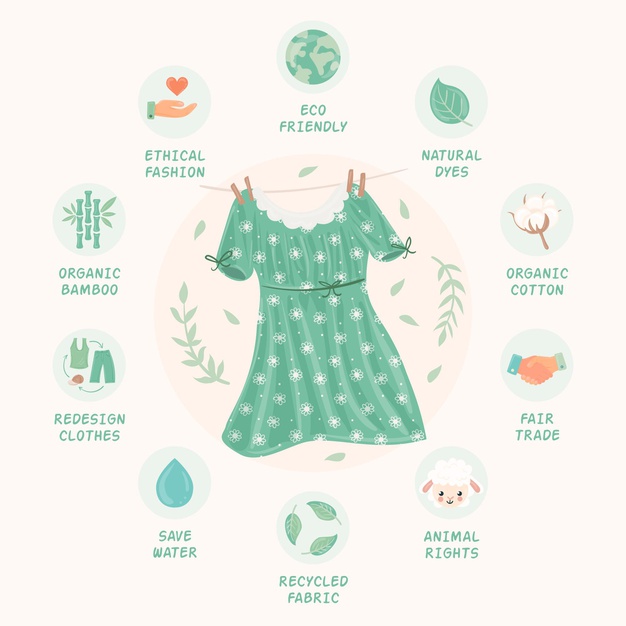
Many consumers assume ethical clothing always costs more. While some responsibly made garments have higher upfront prices, they often provide better long-term value.
High-quality construction helps garments last longer, reducing the need for constant replacements. Timeless pieces also remain stylish across multiple seasons.
Secondhand shopping, clothing rental services, and wardrobe swaps can significantly reduce expenses while supporting environmentally responsible habits.
Over time, intentional purchasing often leads to smarter budgeting and less unnecessary spending.
The Future of Sustainable Fashion
The future of fashion will likely involve greater innovation, stricter environmental standards, and increased consumer awareness. Circular fashion systems may become more common, allowing garments to be recycled repeatedly instead of discarded.
Brands are also exploring rental models, resale platforms, and repair programs to extend product lifespan. Governments and organizations may introduce stronger regulations focused on emissions, labor rights, and waste reduction.
As younger generations prioritize environmental responsibility, sustainable fashion will continue influencing design, manufacturing, and shopping habits worldwide.
The future of fashion depends on durability, transparency, recycling, and ethical production systems.
Frequently Asked Questions
Why is sustainable fashion important?
Responsible clothing production helps reduce pollution, conserve natural resources, and improve working conditions for garment workers. It also encourages consumers to buy more thoughtfully.
Is sustainable clothing expensive?
Some ethical products cost more initially, but they often last longer and provide better value over time. Secondhand shopping can also make responsible fashion affordable.
What fabrics are considered eco-friendly?
Organic cotton, hemp, linen, recycled polyester, and Tencel are commonly viewed as environmentally responsible materials.
Can fast fashion brands become sustainable?
Some large retailers are introducing eco-friendly collections and recycling programs. However, meaningful sustainability requires long-term changes in production, labor practices, and consumption models.
How can I make my wardrobe more sustainable?
Focus on buying durable pieces, repairing damaged garments, shopping secondhand, and supporting brands with transparent ethical practices.
Conclusion
Fashion influences culture, identity, and everyday life, but it also affects the environment and millions of workers around the world. Sustainable fashion encourages consumers and brands to rethink traditional production methods and embrace more responsible alternatives.
By prioritizing ethical labor, eco-friendly materials, waste reduction, and durable design, the industry can move toward a healthier future. Small actions such as repairing clothes, shopping intentionally, and supporting transparent brands can create meaningful long-term impact.
The transition toward responsible fashion is not about perfection. It is about making smarter choices whenever possible and recognizing the power consumers hold in shaping the future of the industry. Every thoughtful purchase contributes to a cleaner, fairer, and more sustainable world.
Read:-How Bella Hadid Shapes Modern Fashion Through Casual Style Culture