

Introduction
Technology has transformed almost every industry, from healthcare and banking to education and entertainment. As businesses rely more on digital tools, the demand for trained professionals continues to grow rapidly. Students, job seekers, and working professionals now look for practical learning opportunities that provide real-world technical knowledge.
Among the many training options available today, stp computer education has become a recognized learning choice for people who want to improve their technical abilities and career prospects. Modern computer training programs focus on practical skills instead of only theoretical concepts, helping learners gain confidence in real workplace situations.
Computer literacy is no longer optional in the modern world. Employers expect candidates to understand software, digital communication, online collaboration, and data handling. Because of this, quality technical education can create new opportunities for people from different educational and professional backgrounds.
This article explores the importance of computer training, career advantages, popular courses, learning methods, and future opportunities in the technology sector. It also explains how students can choose the right institute and build a successful future with the right digital skills.
Quick Facts About Modern Computer Learning
Digital skills improve employability in nearly every industry.
Practical computer courses help learners gain confidence faster.
Online and offline learning models provide flexible education.
Technical certifications strengthen resumes and interview performance.
Computer training supports both career growth and entrepreneurship.
Why Computer Education Matters More Than Ever

The modern workplace depends heavily on digital systems. Offices use cloud platforms, schools use virtual learning tools, and businesses rely on software to manage operations. Without basic technical understanding, many individuals struggle to stay competitive in today’s economy.
Computer education helps learners become more productive and organized. It improves communication, research abilities, problem-solving skills, and technical confidence. These abilities are useful in both personal and professional life.
Digital learning also supports creativity. Students can design presentations, edit videos, manage websites, create graphics, and analyze data using computer tools. This combination of technical and creative abilities increases career opportunities across multiple industries.
Another major advantage is accessibility. Many training institutes now provide flexible schedules, online classes, recorded lessons, and project-based learning. This allows students and working professionals to learn at their own pace.
Core Skills Students Learn in Technical Training Programs
Modern technical institutes focus on industry-ready skills instead of outdated theoretical teaching methods. Students are encouraged to practice tasks repeatedly so they can become comfortable with real-world applications.
1. Basic Computer Operations
Beginners usually start with foundational concepts such as operating systems, typing, file management, internet browsing, and email communication. These skills help learners become comfortable using digital devices daily.
Understanding these basics also prepares students for more advanced technical subjects later. Strong fundamentals create confidence and reduce fear related to technology.
2. Office Productivity Tools
Office applications remain essential in most workplaces. Students learn how to create spreadsheets, presentations, reports, and documents efficiently.
These applications improve organization and data management skills. Employers often prioritize candidates who can work independently with office software.
3. Graphic Design and Multimedia
Creative courses teach students how to use design software for branding, editing, and content creation. Visual communication skills are increasingly valuable in marketing and media industries.
Students also learn image editing, typography, color balance, and digital publishing techniques that support freelance and business opportunities.
4. Programming and Coding
Coding courses help learners understand software development, websites, and application creation. Popular programming languages are taught using project-based learning approaches.
Programming improves logical thinking and problem-solving abilities. These skills are useful even outside the software industry.
5. Web Development
Website creation remains one of the most popular digital skills today. Students learn front-end design, user interface concepts, and website functionality.
Businesses increasingly need websites for online visibility, making web development an attractive career path for learners.
6. Digital Marketing
Digital marketing courses focus on online branding, search engine optimization, content marketing, social media promotion, and advertising strategies.
These skills help businesses increase visibility and customer engagement in competitive online markets.
Benefits of Professional Computer Training
Choosing structured training provides several advantages over self-learning. While online tutorials are useful, organized learning environments offer guidance, mentorship, and consistent practice.
Many learners prefer stp computer education because structured programs combine practical sessions, assessments, and career-focused learning. This approach helps students understand concepts clearly and apply them effectively.
Improved Career Opportunities
Technical knowledge increases employability across industries. Companies prefer candidates who can work efficiently with digital tools and modern software systems.
Certified skills also help applicants stand out during interviews and recruitment processes.
Better Communication Skills
Digital training improves communication through email writing, presentations, video conferencing, and collaborative tools.
These abilities are highly valuable in professional environments where teamwork and online communication are common.
Higher Productivity
Technology helps people complete tasks faster and more accurately. Students learn how to automate repetitive tasks, organize information, and manage workflows efficiently.
Productivity improvements can lead to better job performance and career advancement.
Freelancing and Entrepreneurship
Technical skills open opportunities beyond traditional employment. Students can work independently as freelancers, consultants, designers, or developers.
Many small businesses also benefit from digital knowledge when managing online marketing, customer communication, and operations.
Popular Courses Offered by Computer Institutes
Different learners have different goals. Some want basic digital literacy, while others aim for specialized technical careers. Modern institutes provide multiple learning options to match these needs.
Basic Computer Courses
These programs focus on computer fundamentals, internet usage, typing, and office applications. They are suitable for beginners, students, and senior citizens.
Basic courses often serve as stepping stones toward advanced certifications.
Advanced Office Management
Students learn advanced spreadsheet functions, professional presentations, data management, and reporting tools.
This training is useful for office administrators, accountants, and business professionals.
Software Development Programs
Software development courses teach programming languages, application development, debugging, and testing.
These programs are ideal for learners interested in technology careers and innovation.
Animation and Video Editing
Creative learners often choose animation and multimedia courses. These programs focus on storytelling, visual effects, editing, and motion graphics.
The entertainment and advertising industries continue to create strong demand for creative professionals.
Networking and Hardware
Networking courses teach system installation, troubleshooting, hardware maintenance, and network management.
These technical skills are important for IT support and infrastructure management roles.
Cybersecurity Training
Cybersecurity has become essential because businesses face increasing digital threats. Students learn about online safety, data protection, and system security.
This field offers strong career growth due to rising global demand for security professionals.
Comparison of Popular Technical Courses
| Course Type | Duration | Ideal For | Career Opportunities | Skill Level |
|---|---|---|---|---|
| Basic Computer Training | 3–6 Months | Beginners | Office Assistant, Data Entry | Beginner |
| Graphic Design | 6–12 Months | Creative Learners | Designer, Freelancer | Intermediate |
| Web Development | 6–12 Months | Technical Students | Web Developer, UI Designer | Intermediate |
| Programming | 1–2 Years | Future Developers | Software Engineer | Advanced |
| Digital Marketing | 3–9 Months | Business & Marketing Students | SEO Specialist, Marketer | Beginner to Intermediate |
| Cybersecurity | 1–2 Years | IT Enthusiasts | Security Analyst | Advanced |
How Practical Learning Builds Confidence
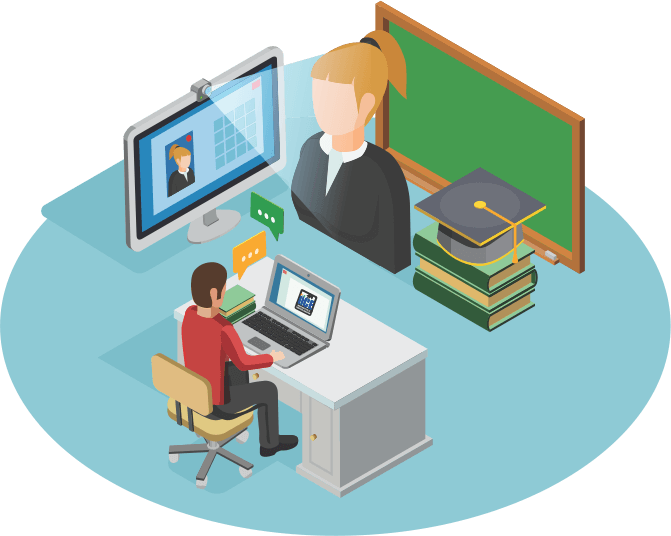
Many students hesitate to use technology because they fear making mistakes. Practical learning environments help learners overcome this hesitation through hands-on activities and guided practice.
Institutes that emphasize live projects and assignments often produce more confident students. Practice sessions improve understanding and help learners apply theoretical concepts in realistic situations.
Project-based learning also encourages teamwork and creativity. Students collaborate on presentations, websites, campaigns, and software projects while developing communication skills.
Another important factor is mentorship. Experienced instructors guide students, answer questions, and share industry insights that improve learning outcomes.
Online Learning vs Offline Learning
The rise of digital education has created flexible learning opportunities for students worldwide. Both online and offline learning methods have unique advantages.
Advantages of Online Learning
Online classes provide convenience and flexibility. Students can learn from home and access recorded lessons anytime.
This format is especially useful for working professionals and learners living in remote areas.
Advantages of Offline Learning
Traditional classroom environments encourage direct interaction with instructors and classmates.
Students often receive faster feedback and practical support during live sessions.
Hybrid Learning Models
Many institutes now combine online and offline teaching methods. Hybrid learning provides flexibility while maintaining practical classroom experiences.
This approach allows students to balance education with personal and professional responsibilities.
Career Opportunities After Computer Training
The technology sector offers diverse career opportunities across industries. Even non-technical industries now require employees with digital knowledge.
Learners who complete stp computer education programs often pursue careers in office administration, design, programming, digital marketing, customer support, and technical assistance. These roles continue to expand as businesses adopt new technologies.
Data Entry and Office Administration
Administrative roles require strong computer and communication skills. Employees manage records, prepare reports, and coordinate digital communication.
These positions are common in schools, hospitals, businesses, and government offices.
Software and Web Development
Developers create applications, websites, and software systems for businesses and consumers.
This field rewards creativity, problem-solving, and continuous learning.
Graphic and Multimedia Design
Design professionals create branding materials, advertisements, animations, and digital content.
The rise of online media has increased demand for visual communication experts.
Digital Marketing Careers
Businesses rely heavily on online promotion and customer engagement strategies.
Digital marketers manage campaigns, optimize websites, and analyze customer behavior.
Freelancing Opportunities
Freelancers can work independently on design, coding, marketing, writing, and editing projects.
This flexibility allows professionals to work with clients from different industries and countries.
How Students Can Choose the Right Institute
Selecting the right learning institute is an important decision. Students should evaluate multiple factors before enrolling in a course.
Check Course Curriculum
A strong curriculum should include updated industry tools and practical assignments.
Students should avoid outdated programs that do not reflect current market requirements.
Review Faculty Experience
Experienced instructors often provide better guidance and practical insights.
Students benefit from mentors who understand industry trends and workplace expectations.
Evaluate Infrastructure
Modern computer labs, updated software, and internet access improve learning experiences.
A professional learning environment encourages better focus and technical practice.
Placement Assistance
Institutes that offer career guidance and placement support can help students transition into professional roles.
Resume building and interview preparation are valuable services for fresh learners.
Student Reviews and Reputation
Reading reviews and testimonials helps students understand the quality of training provided.
Positive feedback often reflects strong teaching methods and supportive learning environments.
Importance of Certifications in Technology Careers
Certifications validate technical knowledge and improve professional credibility. Employers often prefer candidates with recognized certifications because they demonstrate commitment and competence.
Certificates can also improve confidence during interviews and job applications. They show that learners have completed structured training and assessments.
In competitive industries, certifications help candidates stand out from other applicants. They also support career growth by opening doors to advanced positions.
Continuous learning is important because technology evolves rapidly. Professionals who regularly update their skills remain more competitive in changing job markets.
The Role of Communication and Soft Skills
Technical knowledge alone is not enough for long-term success. Employers also value communication, teamwork, adaptability, and problem-solving abilities.
Many training institutes now include personality development sessions and presentation practice within their programs.
Soft skills help professionals collaborate effectively with clients, coworkers, and managers. They also improve leadership potential and workplace confidence.
Students who combine technical expertise with strong communication abilities often progress faster in their careers.
Technology Trends Shaping Future Careers
The future of technology education looks exciting as industries adopt artificial intelligence, automation, cloud computing, and advanced analytics.
Students who learn adaptable digital skills today will be better prepared for future job markets.
Artificial Intelligence
AI tools are transforming customer service, healthcare, finance, and manufacturing.
Professionals with AI-related skills are expected to remain in high demand.
Cloud Computing
Businesses increasingly store and manage data through cloud platforms.
Cloud technology specialists help organizations improve efficiency and scalability.
Data Analytics
Companies rely on data-driven decision-making to improve performance and customer experiences.
Analytical skills are becoming valuable in marketing, finance, and management roles.
Remote Work Technologies
Virtual collaboration tools continue to reshape workplace communication.
Employees who understand digital communication systems can adapt more easily to remote work environments.
Why Practical Exposure Matters in Technical Education
Hands-on experience is one of the most valuable parts of technical learning. Students who practice regularly develop stronger confidence and faster problem-solving abilities.
Programs connected with stp computer education often emphasize practical assignments, workshops, and project-based learning methods. This approach helps students understand real workplace expectations instead of memorizing theory alone.
Internships and live projects also provide industry exposure. Learners interact with professionals, understand deadlines, and improve teamwork abilities through real-world experiences.
Practical exposure supports creativity as well. Students can experiment with software, test ideas, and improve their skills through continuous practice.
Tips for Success in Computer Learning

Learning technology can feel challenging at first, but consistent practice makes a major difference.
Practice Daily
Regular practice improves memory and technical understanding.
Even short daily sessions help students become comfortable with software and digital tools.
Stay Updated
Technology changes quickly, so learners should follow industry news and emerging tools.
Continuous learning helps professionals remain competitive in the job market.
Build Projects
Projects allow students to apply their knowledge creatively.
A strong portfolio can impress employers and clients during interviews.
Ask Questions
Curiosity improves learning outcomes.
Students should communicate openly with instructors whenever they face difficulties.
Improve Communication Skills
Strong communication supports teamwork and professional growth.
Presentation and collaboration abilities are valuable in nearly every industry.
Frequently Asked Questions
What is the main purpose of computer education?
Computer education helps people develop digital skills for academic, professional, and personal growth. It improves productivity, communication, and career opportunities.
Who can join technical training programs?
Students, job seekers, professionals, entrepreneurs, and even beginners can join computer training programs based on their learning goals.
Does stp computer education help with career development?
Yes, structured technical learning improves employability, practical knowledge, and confidence for different career paths.
Which computer course is best for beginners?
Basic computer applications and office management courses are ideal starting points for beginners.
Are online computer courses effective?
Yes, online courses can be highly effective when they include practical assignments, live sessions, and regular assessments.
Can computer skills support freelancing careers?
Absolutely. Skills like graphic design, web development, digital marketing, and video editing are highly valuable for freelance work.
Key Takeaways
Topic: Computer Training and Career Growth
Best For: Students, professionals, beginners, entrepreneurs
Top Skills Learned: Office tools, coding, design, marketing, cybersecurity
Career Benefits: Better employability, freelancing, productivity, higher confidence
Learning Formats: Online, offline, hybrid
Future Trends: AI, cloud computing, analytics, remote collaboration
Building a Long-Term Career With Technical Skills
The digital economy continues to expand globally, creating opportunities across industries. People who invest in learning technical skills today are more likely to adapt successfully to future workplace changes.
Training programs linked with stp computer education help learners gain practical experience, industry exposure, and professional confidence. These advantages can support career growth in both corporate and independent work environments.
Long-term success depends on continuous improvement. Technology evolves rapidly, so professionals should remain curious and willing to learn new tools throughout their careers.
Building a successful future also requires discipline and consistency. Students who practice regularly, improve communication skills, and stay updated with industry trends often achieve better results.
Conclusion
Technology has become an essential part of modern life, influencing education, business, communication, and employment opportunities. Learning digital skills is no longer limited to IT professionals because nearly every industry now depends on technology.
Choosing quality training through stp computer education can help learners build confidence, improve employability, and prepare for evolving career opportunities. Practical learning, updated curricula, and industry-focused teaching methods make technical education more valuable than ever before.
Whether someone wants to become a designer, developer, office professional, marketer, or entrepreneur, computer skills provide a strong foundation for future success. Continuous learning, regular practice, and adaptability are the keys to thriving in the digital world.
Students and professionals who invest in technical education today position themselves for stronger careers, greater independence, and long-term growth in an increasingly technology-driven future.
Read:-Why Education Drives Economic Progress Through Human Capital Today