

Introduction
Dealing with painful bumps, itchiness, or oily buildup on the scalp can feel frustrating and uncomfortable. Many people mistake these symptoms for dandruff or allergic reactions, but clogged follicles and inflammation are often the real causes. A proper scalp acne treatment routine can help calm irritation, reduce breakouts, and support healthier hair growth over time.
Unlike facial breakouts, scalp-related irritation is harder to notice because it hides beneath the hair. That is why the condition often becomes severe before people begin taking action. Sweat, styling products, dead skin cells, and excess oil can create an environment where bacteria thrive.
The good news is that most cases can improve with consistent care, gentle cleansing habits, and smart lifestyle changes. This guide explains the common causes, symptoms, preventive measures, home remedies, professional solutions, and daily habits that can help you maintain a healthier scalp.
What Causes Scalp Breakouts?
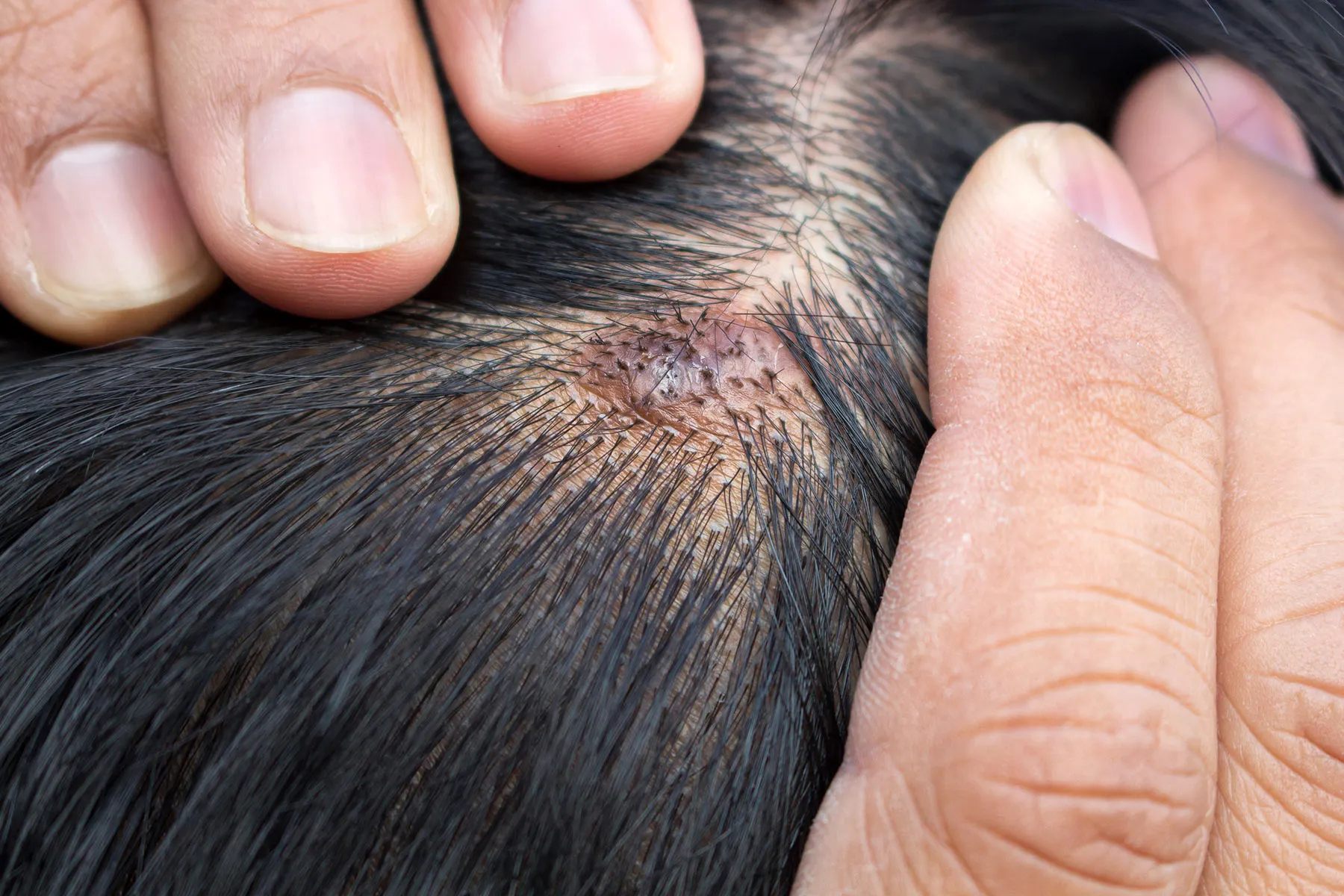
Understanding the root cause is the first step toward long-term improvement. Several internal and external factors can contribute to inflammation around hair follicles.
Excess Oil Production
The scalp naturally produces sebum to keep hair moisturized. However, too much oil can trap dirt, bacteria, and dead skin cells inside follicles. This often creates painful bumps and irritation.
People with naturally oily skin may notice flare-ups more frequently during hot weather or periods of stress. Regular cleansing helps control buildup without stripping away essential moisture.
Product Buildup
Hair sprays, gels, oils, dry shampoos, and heavy conditioners can leave residue behind. Over time, this buildup clogs pores and prevents the scalp from breathing properly.
Using too many styling products without washing thoroughly may increase inflammation. Choosing lightweight and non-comedogenic products can make a noticeable difference.
Sweat and Friction
Frequent workouts, tight hats, helmets, and humid conditions create warmth and moisture around the scalp. This combination encourages bacterial growth and irritation.
People who exercise regularly should wash their hair after sweating heavily. Clean towels and breathable fabrics can also reduce friction.
Hormonal Changes
Hormones influence oil production in the skin. Teenagers, pregnant women, and adults experiencing hormonal imbalance may notice recurring scalp issues.
Stress hormones can also increase inflammation levels in the body, leading to more frequent breakouts.
Poor Hygiene Practices
Infrequent hair washing allows dirt and oil to accumulate. On the other hand, over-washing can dry the scalp and trigger extra oil production.
Finding a balanced routine based on hair type and lifestyle is important for long-term comfort.
Common Symptoms to Watch For
Recognizing symptoms early helps prevent worsening irritation and possible infection.
Small Red Bumps
Tiny inflamed bumps are one of the earliest signs of scalp irritation. They may appear around the hairline, crown, or back of the head.
These bumps can feel tender when touched or during brushing.
Itching and Burning
Persistent itching often signals inflammation or bacterial activity. Scratching may worsen irritation and increase the risk of infection.
A burning sensation can also occur when the scalp barrier becomes damaged.
Whiteheads and Pustules
Some people develop pus-filled bumps similar to facial pimples. These may become painful and sensitive over time.
Improper handling or squeezing can spread bacteria to nearby follicles.
Flaking and Crusting
Inflammation may cause dead skin to peel away, creating flakes or crusty patches. This is often confused with dandruff.
If severe flaking occurs alongside bumps, it is important to review your hair care routine carefully.
Why Early Care Matters
Ignoring scalp irritation for long periods may lead to worsening discomfort and hair-related concerns.
Reduced Hair Strength
Inflamed follicles may weaken hair roots and increase shedding. Chronic irritation can interfere with healthy growth cycles.
Addressing inflammation early helps protect scalp balance and overall hair quality.
Increased Sensitivity
Persistent scratching damages the skin barrier and makes the scalp more sensitive to products, heat, and environmental changes.
Gentle care reduces the chance of long-term sensitivity.
Risk of Infection
Open sores and constant scratching may introduce bacteria into the skin. In severe cases, this can lead to infection or scarring.
Timely care reduces the likelihood of complications.
Daily Habits That Support a Healthier Scalp
Building a consistent routine is one of the most effective ways to maintain improvement.
Wash Hair Consistently
A balanced cleansing routine removes oil, sweat, and product residue before buildup becomes severe. People with oily hair may benefit from more frequent washing.
Those with dry or curly hair should focus on gentle cleansing methods that preserve moisture.
Choose Mild Shampoos
Harsh shampoos may irritate sensitive skin and trigger extra oil production. Sulfate-free or medicated cleansers are often more suitable.
A dermatologist may recommend ingredients such as salicylic acid, ketoconazole, or tea tree oil depending on the condition.
Avoid Sharing Hair Tools
Combs, brushes, hats, and towels can collect bacteria and oil. Sharing these items increases the risk of irritation.
Regular cleaning of personal hair tools helps maintain hygiene.
Keep Pillowcases Clean
Dirty pillowcases absorb sweat, oil, and bacteria from the scalp. Sleeping on unwashed fabric may contribute to recurring breakouts.
Changing pillowcases at least once or twice weekly supports cleaner skin.
Best Ingredients for Scalp Care
Certain ingredients are known for their ability to calm irritation and reduce buildup.
| Ingredient | Main Benefit | Best For | Usage Tips |
|---|---|---|---|
| Salicylic Acid | Removes dead skin and unclogs pores | Oily scalp | Use 2–3 times weekly |
| Tea Tree Oil | Helps reduce bacteria and itchiness | Mild irritation | Dilute before use |
| Ketoconazole | Controls fungal overgrowth | Flaking and bumps | Use medicated shampoo |
| Zinc Pyrithione | Reduces dandruff and irritation | Sensitive scalp | Suitable for regular use |
| Aloe Vera | Soothes redness and dryness | Inflamed skin | Apply as calming gel |
| Niacinamide | Supports skin barrier | Combination scalp | Works well in serums |
These ingredients are commonly found in shampoos, serums, and scalp masks designed to support healthier skin. Choosing the right scalp acne treatment products depends on your skin sensitivity, lifestyle, and level of irritation.
Creating an Effective scalp acne treatment Routine
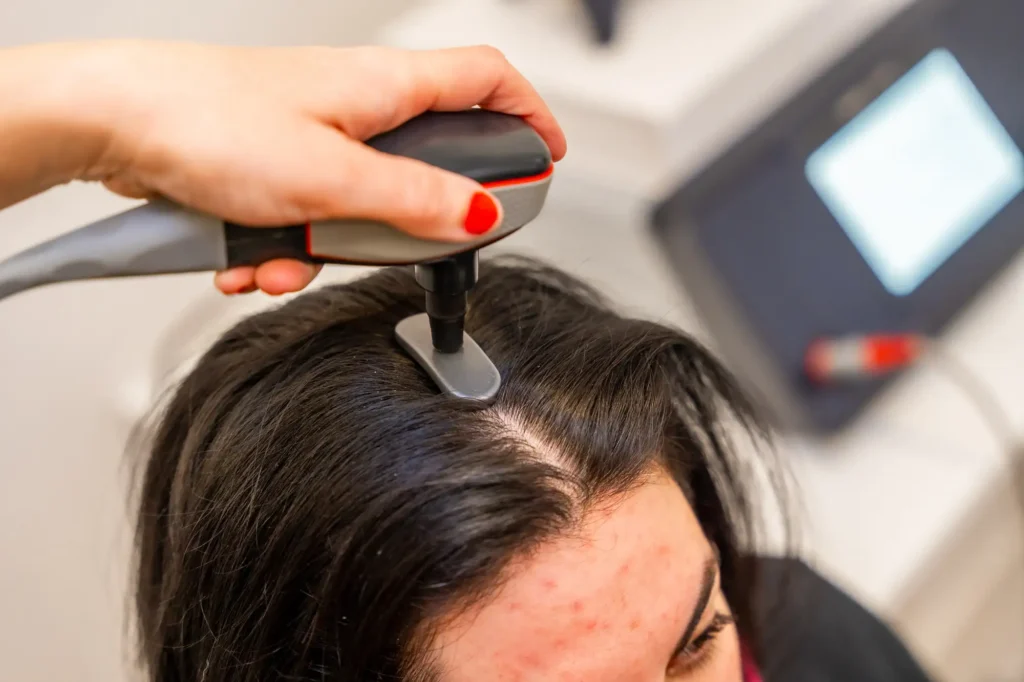
Consistency matters more than using dozens of products at once. A simple and balanced routine often delivers better results than aggressive treatments.
Start by cleansing the scalp with a gentle shampoo that matches your skin type. Follow with lightweight conditioners applied mainly to the hair lengths instead of directly on the roots.
After washing, avoid leaving sweat trapped under hats or scarves for long periods. If irritation persists, targeted serums containing soothing ingredients may help calm inflammation.
Keeping the routine simple allows the scalp barrier to recover naturally without unnecessary stress.
Home Remedies That May Provide Relief
Natural remedies can sometimes help reduce mild irritation when used carefully.
Warm Compresses
Applying a warm compress to tender areas may reduce discomfort and improve circulation.
This method should be gentle and never excessively hot.
Diluted Tea Tree Oil
Tea tree oil contains natural antibacterial properties that may support clearer skin.
Always dilute essential oils before applying them to avoid irritation.
Aloe Vera Gel
Pure aloe vera gel can cool inflamed areas and reduce dryness.
Look for products with minimal added fragrance or alcohol.
Apple Cider Vinegar Rinse
Some people use diluted apple cider vinegar as a rinse to reduce excess oil and buildup.
It should never be applied directly in concentrated form because it may irritate sensitive skin.
Foods That Support Skin and Scalp Health
Diet can influence inflammation levels throughout the body. While food alone cannot solve scalp issues, healthy choices may support recovery.
Omega-3 Rich Foods
Fish, walnuts, flaxseeds, and chia seeds contain healthy fats that support skin balance.
These foods may help reduce inflammation when included regularly in meals.
Fresh Fruits and Vegetables
Colorful produce provides antioxidants, vitamins, and hydration.
Nutrients such as vitamin C and vitamin A support healthier skin repair.
Hydration Matters
Drinking enough water supports overall skin function and may reduce dryness.
Proper hydration also helps the body regulate oil production more effectively.
Reduce Excess Sugar
Highly processed foods and sugary drinks may contribute to inflammation in some individuals.
Balancing meals with protein, fiber, and healthy fats supports steadier energy and skin health.
Common Mistakes People Make
Avoiding harmful habits is just as important as following a good routine.
Overwashing the Hair
Washing too frequently can strip natural oils and trigger rebound oil production.
Finding the right balance is essential for comfort.
Picking or Squeezing Bumps
Touching inflamed areas spreads bacteria and increases the chance of scarring.
Hands should stay away from irritated spots whenever possible.
Using Heavy Oils
Some oils may clog follicles and worsen buildup, especially on oily scalps.
Lightweight formulations are usually a safer choice.
Ignoring Persistent Symptoms
If bumps become painful, widespread, or resistant to home care, professional evaluation is important.
Long-term inflammation should never be ignored.
Professional Options for scalp acne treatment
Sometimes home care alone is not enough to manage stubborn or severe irritation. Dermatologists can recommend stronger solutions based on the severity of symptoms.
Medicated shampoos are often one of the first treatment options. These products target bacteria, fungal buildup, and excess oil while reducing inflammation gradually.
In more severe cases, oral antibiotics or topical prescription medications may be recommended. These treatments should always be used under medical supervision to avoid side effects.
People experiencing recurring cysts, severe pain, or noticeable hair thinning should seek professional guidance promptly.
How Hair Type Influences Scalp Conditions
Different hair textures require different care strategies.
Straight Hair
Oil tends to travel more quickly from the scalp to the hair shaft in straight hair.
This may increase visible oiliness and buildup.
Curly Hair
Curly hair often experiences dryness along the strands while the scalp itself may still produce excess oil.
Gentle cleansing and lightweight hydration work best.
Thick Hair
Dense hair can trap sweat and make scalp cleansing more difficult.
Sectioning the hair during washing helps remove buildup effectively.
Fine Hair
Fine hair becomes greasy more quickly and may react strongly to heavy products.
Minimal product use often supports a cleaner feel.
Seasonal Changes and Scalp Health
Weather conditions affect scalp comfort more than many people realize.
Summer Challenges
Heat and humidity increase sweating and oil production.
Regular cleansing becomes especially important during warmer months.
Winter Dryness
Cold air and indoor heating can dry out the scalp and trigger irritation.
Hydrating products may help maintain balance.
Monsoon Concerns
Damp conditions create an environment where fungal growth may increase.
Drying the hair completely after washing is essential.
Stress and Emotional Well-Being
Stress affects hormone levels and inflammation throughout the body. Many people notice worsening skin conditions during emotionally demanding periods.
Relaxation practices such as exercise, meditation, deep breathing, and quality sleep may help support healthier skin. Consistent routines also encourage better self-care habits.
Taking small daily steps to manage stress can benefit both physical comfort and emotional wellness.
Best Lifestyle Tips for Long-Term Results
Long-term improvement depends on healthy habits rather than quick fixes.
Maintain Scalp Hygiene
Regular washing and clean accessories reduce buildup and bacteria.
Simple hygiene habits make a noticeable difference over time.
Limit Heat Styling
Excessive heat may irritate sensitive skin and weaken hair strands.
Lower temperatures and heat protectants help reduce damage.
Use Breathable Fabrics
Hats, scarves, and helmets should allow airflow whenever possible.
Breathable materials reduce trapped sweat and friction.
Prioritize Sleep
Quality sleep supports recovery and balanced hormone levels.
Rest also helps the body manage stress more effectively.
Quick Tips for Healthier Scalp Care
Quick Answer:
- Wash hair regularly based on your scalp type.
- Avoid heavy styling products that clog follicles.
- Change pillowcases frequently.
- Use medicated shampoos when necessary.
- Never squeeze painful bumps.
- Stay hydrated and manage stress.
These simple habits can help maintain a cleaner, calmer scalp and reduce future irritation.
Weekly scalp acne treatment Checklist
Creating a weekly routine can make scalp care easier and more consistent.
| Day | Recommended Action | Goal |
|---|---|---|
| Monday | Gentle cleansing shampoo | Remove weekend buildup |
| Tuesday | Clean hair tools and pillowcase | Reduce bacteria exposure |
| Wednesday | Lightweight scalp serum | Calm irritation |
| Thursday | Scalp massage during wash | Improve circulation |
| Friday | Avoid heavy styling products | Prevent clogged follicles |
| Saturday | Hydrating scalp care | Maintain balance |
| Sunday | Review scalp condition | Track improvements |
Following a schedule encourages consistency without overwhelming the scalp with too many products.
Myths About Scalp Problems
Misinformation often leads people to make symptoms worse.
Myth 1: Only Teenagers Experience Scalp Breakouts
Adults of all ages can develop scalp irritation due to hormones, stress, or product buildup.
Age alone does not determine scalp health.
Myth 2: Washing More Always Helps
Over-cleansing may increase dryness and trigger extra oil production.
Balanced care is more effective than excessive washing.
Myth 3: Natural Products Are Always Safe
Even natural ingredients can irritate sensitive skin if used incorrectly.
Patch testing is important before trying new products.
Myth 4: Hair Loss Is Always Permanent
Temporary shedding linked to inflammation often improves once the scalp becomes healthier.
Early care supports better recovery.
Travel and Workout Tips
Busy schedules can make scalp care challenging, especially during travel or exercise.
Carry a gentle travel-sized cleanser to remove sweat after workouts. Lightweight microfiber towels may help dry the scalp more quickly.
If wearing helmets or hats for long periods, allow the scalp time to breathe afterward. Keeping accessories clean also reduces irritation.
Planning ahead makes it easier to maintain healthy habits consistently.
When to See a Dermatologist
Professional guidance is important when symptoms become severe or persistent.
Seek medical attention if you experience:
- Painful cysts or swelling
- Bleeding or crusting sores
- Sudden hair thinning
- Fever or signs of infection
- Symptoms that do not improve after several weeks
A dermatologist can identify whether the issue involves acne, folliculitis, dermatitis, or another scalp condition.
FAQs
What is the most effective scalp acne treatment for oily skin?
Products containing salicylic acid or medicated cleansing ingredients are often effective for oily scalps. Consistent washing and avoiding heavy products also help.
Can stress make scalp breakouts worse?
Yes. Stress can influence hormones and inflammation, which may increase oil production and irritation.
Should I wash my hair every day?
It depends on your scalp type, activity level, and climate. Oily scalps may need more frequent cleansing than dry scalps.
Can dandruff and scalp breakouts happen together?
Yes. Some people experience both flaking and inflamed bumps at the same time, especially when fungal buildup is involved.
Are natural remedies enough to solve severe symptoms?
Mild irritation may improve with home remedies, but severe or recurring symptoms often require professional care.
Can hair products trigger irritation?
Yes. Heavy styling products and strong fragrances may clog follicles or irritate sensitive skin.
Conclusion
Healthy scalp care requires patience, consistency, and an understanding of what triggers irritation. Small habits such as regular cleansing, clean pillowcases, stress management, and lightweight products can have a major impact over time.
While mild symptoms often improve with balanced care and lifestyle adjustments, severe or recurring problems should be evaluated by a dermatologist. Paying attention to early warning signs helps prevent discomfort from becoming more serious.
Building a sustainable routine is more effective than relying on harsh quick fixes. A consistent scalp acne treatment plan combined with healthy daily habits can support long-term comfort and cleaner skin. Focus on gentle cleansing, smart product choices, and long-term scalp health habits to support stronger hair and greater daily comfort.
Read:-Clearer Skin Starts Here: Smart Ways to Beat Body Breakouts Daily!