

Introduction
Body breakouts can feel frustrating, uncomfortable, and difficult to manage. Many people focus heavily on facial care while ignoring the skin on their back, shoulders, and upper chest. Unfortunately, clogged pores, sweat buildup, friction from clothing, and hormonal changes can easily trigger stubborn blemishes in these areas.
Finding the right back acne treatment often takes patience, consistency, and a better understanding of what causes flare-ups in the first place. The good news is that most cases improve with smart lifestyle habits, targeted skincare ingredients, and a routine that supports healthier skin over time.
This detailed guide explains why body breakouts happen, how to reduce inflammation naturally, which ingredients work best, and what dermatologists recommend for long-term improvement.
Quick Facts About Body Breakouts
Did You Know?
Sweat trapped under tight clothing can increase pore congestion.
Hormonal fluctuations are one of the most common triggers.
Harsh scrubbing may worsen redness and irritation.
Consistency matters more than using dozens of products.
Diet, stress, sleep, and hygiene all influence skin health.
What Causes Breakouts on the Back?
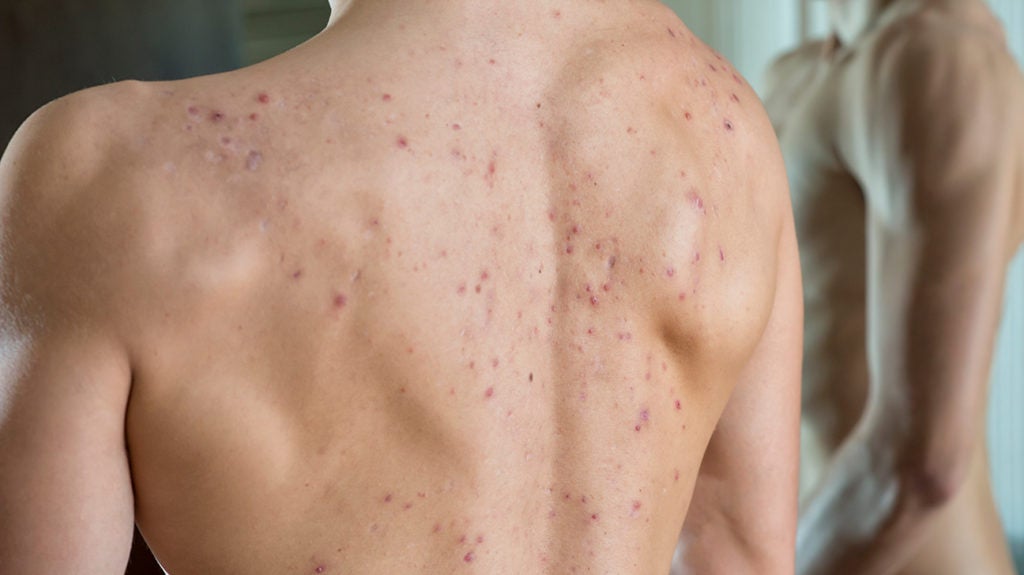
The skin on the back contains many oil glands. When excess oil combines with dead skin cells, bacteria, and sweat, pores become blocked. This leads to pimples, inflamed bumps, blackheads, and sometimes painful cysts.
Unlike facial skin, the back experiences more friction from backpacks, sports equipment, synthetic fabrics, and prolonged sweating. These factors create an ideal environment for irritation and clogged pores.
Common Causes Include
1. Excess Oil Production
Hormones can stimulate sebaceous glands to produce too much oil. When oil becomes trapped beneath the surface, breakouts begin to form.
2. Sweat and Heat
Workout sessions, humid weather, and staying in sweaty clothes for too long can contribute to bacterial growth and inflammation.
3. Tight Clothing
Compression shirts, gym wear, and rough fabrics may rub against the skin repeatedly. This friction can worsen irritation and trap sweat.
4. Hair Products
Conditioners, oils, and styling creams often transfer onto the back during showers. Heavy ingredients may clog pores over time.
5. Hormonal Changes
Teenagers and adults alike experience hormone-related skin changes. Stress hormones may also increase oil production.
6. Poor Shower Habits
Failing to shower after intense sweating allows bacteria and oil to remain on the skin longer than necessary.
7. Diet and Lifestyle Factors
High sugar intake, processed foods, stress, and lack of sleep may influence inflammation and skin balance.
Signs That Your Skin Needs Extra Care
Some people experience only occasional bumps, while others struggle with ongoing inflammation. Recognizing early warning signs can help prevent severe flare-ups.
Watch for These Symptoms
| Symptom | What It May Indicate | Suggested Action |
|---|---|---|
| Small red bumps | Mild clogged pores | Use gentle exfoliation |
| Painful cysts | Deep inflammation | Consult a dermatologist |
| Dark spots | Post-inflammatory marks | Add brightening ingredients |
| Itching or irritation | Product sensitivity | Switch to fragrance-free care |
| Rough texture | Dead skin buildup | Introduce salicylic acid slowly |
| Frequent flare-ups | Hormonal imbalance | Improve routine consistency |
Why Consistency Matters More Than Quick Fixes
Many people expect overnight changes after trying a new product. In reality, skin renewal takes time. Most routines need several weeks before visible improvement appears.
A successful back acne treatment plan focuses on gradual progress instead of aggressive methods. Overusing harsh scrubs or strong cleansers can damage the skin barrier and increase redness.
Healthy skin habits should feel sustainable rather than extreme. Gentle cleansing, breathable fabrics, balanced nutrition, and targeted ingredients often produce better long-term results than constantly changing products.
Best Ingredients for Smoother, Clearer Skin
Understanding skincare ingredients helps you choose products more effectively. Some ingredients target bacteria, while others remove dead skin cells or reduce oil buildup.
1. Salicylic Acid
Salicylic acid is one of the most recommended ingredients for body breakouts. It penetrates inside pores and helps loosen trapped debris.
People with oily skin often benefit from cleansers or sprays containing low concentrations of salicylic acid. Overuse, however, may lead to dryness.
2. Benzoyl Peroxide
This ingredient targets acne-causing bacteria and reduces inflammation. It is commonly available in body washes and topical creams.
Because benzoyl peroxide can bleach towels and clothing, users should rinse carefully and wear light fabrics afterward.
3. Niacinamide
Niacinamide supports the skin barrier and helps reduce redness. It may also regulate oil production over time.
This ingredient works well for sensitive skin because it is generally calming and lightweight.
4. Retinoids
Retinoids increase cell turnover and help prevent clogged pores. Some forms are available over the counter, while stronger versions require prescriptions.
People new to retinoids should begin slowly to minimize dryness or peeling.
5. Tea Tree Oil
Tea tree oil has natural antibacterial properties. It can help mild breakouts when properly diluted.
Applying concentrated tea tree oil directly to skin may cause irritation, so patch testing is important.
6. Sulfur-Based Products
Sulfur helps absorb excess oil and may reduce inflammatory blemishes. It is especially useful for people with oily skin types.
The scent can feel strong at first, but many modern formulas are more comfortable to use.
Daily Habits That Support Healthier Skin
Skincare products matter, but everyday habits also play a major role in improving body breakouts.
Shower Soon After Sweating
Leaving sweat on the skin for long periods increases the likelihood of clogged pores. A quick shower after workouts helps remove oil and bacteria.
Change Bedsheets Regularly
Dirty sheets collect sweat, oil, and dead skin cells. Washing bedding weekly helps maintain a cleaner sleep environment.
Wear Breathable Fabrics
Cotton and moisture-wicking materials reduce friction and improve airflow. Tight synthetic clothing may trap sweat against the skin.
Avoid Picking or Squeezing
Popping pimples increases inflammation and raises the risk of scarring or dark marks.
Use Clean Towels
Reusing damp towels repeatedly can spread bacteria back onto freshly cleansed skin.
Manage Stress Levels
Stress affects hormones and may worsen flare-ups. Relaxation techniques, exercise, and better sleep habits can support healthier skin.
Creating an Effective Routine at Home
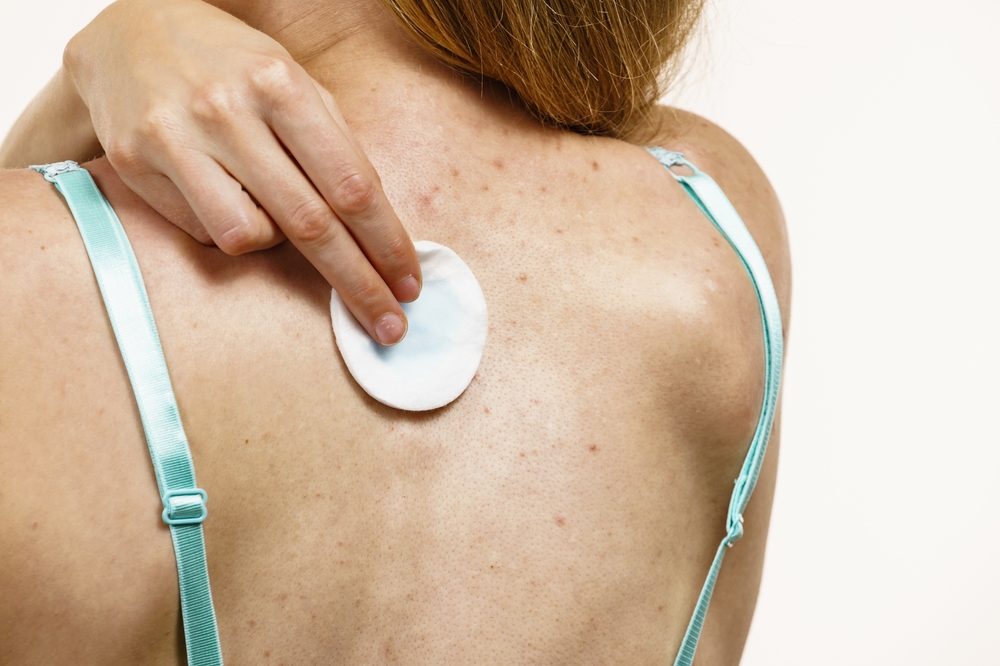
A structured skincare routine makes it easier to stay consistent. Simple routines often outperform complicated ones because they are easier to maintain.
Here is a beginner-friendly back acne treatment routine that works for many people.
Morning Routine
- Shower using a gentle cleanser.
- Use a salicylic acid body wash several times weekly.
- Wear loose, breathable clothing.
- Apply lightweight moisturizer if skin feels dry.
- Use sunscreen when skin is exposed outdoors.
Evening Routine
- Cleanse the skin after sweating.
- Apply targeted spot treatment if needed.
- Use clean sleepwear and bedding.
- Avoid heavy oils before bedtime.
- Stay hydrated throughout the evening.
Foods That May Influence Skin Health
Research continues to explore the connection between nutrition and acne. Although no single food causes breakouts for everyone, certain dietary patterns may contribute to inflammation.
Foods Often Linked to Flare-Ups
| Food Type | Possible Effect on Skin | Better Alternative |
|---|---|---|
| Sugary drinks | Increased inflammation | Water or herbal tea |
| Processed snacks | May worsen oil production | Nuts and fruit |
| Fast food | High unhealthy fat content | Home-cooked meals |
| Excess dairy | May trigger some individuals | Plant-based options |
| Refined carbohydrates | Blood sugar spikes | Whole grains |
Skin-Friendly Foods
- Leafy greens support overall skin health.
- Omega-3-rich foods may reduce inflammation.
- Fruits provide antioxidants that protect skin cells.
- Water helps maintain healthy hydration levels.
- Protein supports tissue repair and recovery.
A balanced diet alone will not eliminate body breakouts, but it can support overall skin wellness.
Common Mistakes That Make Breakouts Worse
People often unknowingly worsen their skin through overly aggressive care.
Scrubbing Too Hard
Harsh exfoliation can damage the skin barrier and spread irritation. Gentle cleansing is usually more effective.
Using Too Many Products
Layering numerous active ingredients increases the risk of dryness and sensitivity.
Ignoring Sweat Buildup
Workout clothing should not stay on for hours after exercise. Sweat and bacteria accumulate quickly.
Skipping Moisturizer
Dry skin may become irritated and produce even more oil. Lightweight hydration helps maintain balance.
Changing Products Constantly
Switching routines every few days prevents the skin from adjusting properly.
Natural Remedies People Commonly Try
Natural options can complement a routine, although they may not replace medical care for severe cases.
Aloe Vera
Aloe vera may soothe irritation and reduce temporary redness. Many people use it after showers for a calming effect.
Green Tea Extract
Green tea contains antioxidants that may support healthier skin and reduce visible inflammation.
Oatmeal Baths
Oatmeal can help calm irritated or itchy skin. This option is especially comforting for sensitive skin types.
Apple Cider Vinegar
Some individuals use diluted apple cider vinegar as a toner. However, overly strong mixtures may irritate the skin.
Honey Masks
Raw honey has natural antibacterial properties and may help soothe mild inflammation.
Natural remedies should be used carefully and discontinued if irritation develops.
When to See a Dermatologist
Home care works for many people, but persistent or painful breakouts sometimes require professional support.
A dermatologist may recommend a stronger back acne treatment approach if you experience:
- Large painful cysts
- Significant scarring
- Severe redness
- Emotional distress related to skin appearance
- No improvement after several months
- Frequent recurring flare-ups
Professional Options May Include
Prescription Retinoids
These help unclog pores and improve skin renewal.
Oral Antibiotics
Doctors sometimes prescribe antibiotics to reduce inflammation and bacterial growth.
Hormonal Treatments
Hormone-related cases may respond to medications that regulate hormonal fluctuations.
Chemical Peels
Specialized exfoliating treatments remove dead skin cells and improve texture.
Laser Therapy
Laser treatments may reduce bacteria, oil production, and acne scars.
Understanding Acne Scars and Dark Marks
Breakouts sometimes leave behind visible reminders even after inflammation disappears.
Post-Inflammatory Hyperpigmentation
These flat dark spots appear after pimples heal. Sun exposure may make them more noticeable.
Atrophic Scars
Indented scars form when collagen damage occurs during healing.
Hypertrophic Scars
Raised scars develop due to excess collagen production.
Prevention Tips
- Avoid picking at pimples.
- Use sunscreen regularly.
- Treat inflammation early.
- Follow a consistent skincare routine.
- Seek professional advice for severe cases.
Exercise and Body Breakouts
Physical activity benefits overall health, but sweat and friction can sometimes aggravate the skin.
Helpful Gym Hygiene Tips
- Wear moisture-wicking clothing.
- Bring a clean towel.
- Shower immediately after workouts.
- Clean gym equipment before use.
- Avoid sharing personal towels.
Exercise itself is not the problem. Poor post-workout hygiene usually plays a larger role.
Seasonal Changes and Skin Flare-Ups
Different seasons affect the skin in different ways.
Summer Challenges
Hot weather increases sweating and oil production. Sunscreen, hydration, and breathable clothing become especially important.
Winter Challenges
Cold air and indoor heating may dry the skin. Gentle moisturizers help maintain balance during colder months.
Monsoon and Humidity
Humid conditions can make the skin feel greasy and congested. Lightweight skincare products often work better in these environments.
Mental Confidence and Skin Health
:max_bytes(150000):strip_icc()/GettyImages-1053614732-bb938a1398b94a7a8b6bf9d73ec0a107.jpg)
Body breakouts can influence self-esteem and confidence levels. Some people avoid swimming, social events, or certain clothing styles because they feel embarrassed about their skin.
Remember that skin conditions are extremely common and treatable. Improvement takes time, but steady progress is possible with the right habits.
A thoughtful back acne treatment strategy should support both physical skin health and emotional confidence.
Myths and Facts About Body Breakouts
| Myth | Reality |
|---|---|
| Acne only affects teenagers | Adults commonly experience body breakouts too |
| Sun exposure cures acne | Excess sun may worsen marks and irritation |
| Scrubbing harder clears skin faster | Aggressive scrubbing can damage the skin |
| Oily skin does not need moisturizer | Hydration helps maintain balance |
| Diet never affects acne | Nutrition may influence inflammation in some people |
Understanding the truth behind common myths helps people make smarter skincare decisions.
Long-Term Maintenance Tips
Clearer skin often depends on maintaining healthy habits consistently.
Stick With Gentle Products
Strong products are not always better. Mild formulas used regularly usually produce more reliable results.
Track Trigger Factors
Pay attention to products, foods, stress levels, or activities that seem connected to flare-ups.
Wash Workout Gear Frequently
Dirty gym clothes collect sweat and bacteria that may transfer back onto the skin.
Prioritize Sleep
Sleep supports hormonal balance and overall recovery.
Stay Patient
Many people notice gradual changes rather than instant transformation.
Maintaining a realistic mindset makes any back acne treatment plan easier to follow over time.
Frequently Asked Questions
How long does it take to see improvement?
Most people begin noticing positive changes within four to eight weeks of consistent care. Severe cases may require more time.
Can body breakouts disappear permanently?
Some people experience long-term improvement after identifying triggers and maintaining healthy habits. Others may continue managing occasional flare-ups.
Is it okay to exfoliate daily?
Daily exfoliation may irritate sensitive skin. Most people benefit from exfoliating only a few times per week.
Are natural remedies enough?
Natural options may help mild cases, but moderate or severe inflammation often requires targeted skincare or professional support.
Does stress really affect the skin?
Stress hormones can increase oil production and inflammation, which may contribute to flare-ups.
Should I moisturize oily skin?
Yes. Lightweight moisturizers help maintain the skin barrier and reduce irritation.
Can sunscreen worsen body breakouts?
Heavy formulas may clog pores, but non-comedogenic sunscreen options are designed to minimize this issue.
What ingredients should sensitive skin avoid?
People with sensitive skin may need to avoid strong fragrances, harsh scrubs, and excessive alcohol-based products.
Expert Tips for Faster Improvement
Dermatologist-Recommended Habits
Keep shower water lukewarm instead of extremely hot.
Avoid touching inflamed areas frequently.
Introduce new skincare products one at a time.
Choose fragrance-free formulas when possible.
Stay consistent with routines for several weeks.
Conclusion
Managing body breakouts requires patience, realistic expectations, and a consistent routine that supports healthier skin over time. From sweat control and breathable fabrics to targeted ingredients and balanced nutrition, small daily habits can make a noticeable difference.
The most effective back acne treatment approach is usually a combination of gentle cleansing, proper hygiene, stress management, and carefully selected skincare products. Severe or painful cases should never be ignored, especially when scarring begins to develop.
Start with simple changes, stay consistent, and pay attention to how your skin responds. Clearer, healthier skin is possible when you focus on steady progress rather than overnight perfection.
Read:-Clearer Skin Starts Here With Smart Fungal Acne Care Tips for All!