

Introduction
Dealing with stubborn breakouts on the chest, shoulders, back, or arms can feel frustrating. Many people spend months trying random soaps, harsh scrubs, or internet trends without seeing lasting improvements. The good news is that a thoughtful and consistent body acne treatment plan can help reduce inflammation, clear clogged pores, and improve skin confidence over time.
Body breakouts are incredibly common among teenagers, athletes, adults with hormonal fluctuations, and people living in hot or humid climates. Sweat, friction, excess oil, dead skin cells, and bacteria can all contribute to clogged pores. While the condition may look similar to facial acne, the skin on the body is thicker and often requires a slightly different approach.
This detailed guide explains the causes of body breakouts, practical skincare habits, ingredient recommendations, lifestyle adjustments, and prevention techniques that support healthier skin. Whether your acne is mild or persistent, understanding the basics can make a major difference in your results. A balanced body acne treatment routine should always prioritize patience, consistency, and barrier-friendly skincare habits.
What Causes Acne on the Body?
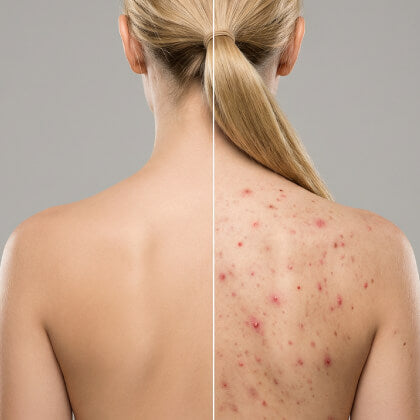
Body acne develops when pores become blocked with oil, dead skin cells, sweat, or bacteria. Once the pore becomes clogged, inflammation may form, leading to pimples, whiteheads, blackheads, or painful cysts.
Several factors can increase the risk of breakouts:
Excess Oil Production
Sebaceous glands produce oil to keep the skin moisturized. However, too much oil can trap bacteria and debris inside pores, especially on the back and shoulders where oil glands are larger.
Sweat and Friction
Tight clothing, backpacks, sports bras, and gym equipment can create friction against the skin. Combined with sweat, this environment may worsen clogged pores and irritation.
Hormonal Changes
Hormonal fluctuations during puberty, menstruation, pregnancy, or stress can stimulate oil production. This is one reason breakouts often appear suddenly.
Poor Shower Habits After Exercise
Leaving sweat on the skin for extended periods allows bacteria and oil to build up. Showering soon after workouts can help reduce congestion.
Heavy Skincare or Hair Products
Certain lotions, conditioners, and oils contain ingredients that clog pores. Residue from hair products can also transfer to the shoulders and upper back.
Stress and Lack of Sleep
Chronic stress may trigger hormonal changes that contribute to inflammation and increased oil production. Sleep deprivation can also affect skin recovery.
Signs That Your Skin Needs Better Care
Not every bump on the body is acne. Some people confuse folliculitis, heat rash, or allergic reactions with standard breakouts. Understanding the symptoms helps you choose the right routine.
Common signs include:
- Small red bumps on the back or chest
- Painful cysts beneath the skin
- Whiteheads and blackheads
- Rough texture or uneven skin tone
- Dark spots left behind after healing
- Itching or irritation from inflamed pores
If your condition becomes painful, widespread, or leaves severe scarring, visiting a dermatologist is important.
Quick Facts About Body Breakouts
Fast Fact: Body acne most commonly appears on the back, chest, shoulders, and upper arms because these areas contain more oil-producing glands.
Dermatologist Tip: Consistency matters more than using multiple harsh products at once. Over-cleansing may damage the skin barrier and increase irritation.
Helpful Reminder: Results from a new routine often take 6–12 weeks before noticeable improvement appears.
Ingredients That Commonly Help Reduce Breakouts
The ingredients inside skincare products often determine how effective your routine becomes. Understanding the role of each ingredient can help you avoid wasting money on products that do not match your needs.
Salicylic Acid
Salicylic acid is a beta hydroxy acid that penetrates pores and dissolves excess oil. It works especially well for blackheads and small bumps.
Benzoyl Peroxide
This ingredient helps reduce acne-causing bacteria and inflammation. It is commonly found in washes, gels, and creams.
Niacinamide
Niacinamide supports the skin barrier and may help calm redness. It is a gentle ingredient suitable for sensitive skin types.
Retinoids
Retinoids encourage faster skin cell turnover and help prevent clogged pores. Many dermatologists recommend them for persistent acne.
Sulfur
Sulfur-based products absorb excess oil and reduce inflammation. They can be helpful for oily skin without being overly harsh.
Tea Tree Oil
Tea tree oil has antibacterial properties, though it should be diluted carefully. Some people experience irritation if used excessively.
A Daily Routine That Supports Clearer Skin
:max_bytes(150000):strip_icc()/back-view-of-senior-woman-applying-cream-on-neck-1125579154-af53c8f013b749e79e49eea54ac27e07.jpg)
Creating a simple and realistic body acne treatment routine is often more effective than constantly changing products. A steady approach allows the skin time to recover and respond.
Morning Routine
- Use a gentle cleanser designed for acne-prone skin.
- Apply a lightweight moisturizer to prevent dryness.
- Wear breathable clothing whenever possible.
- Use sunscreen on exposed areas to reduce dark marks.
Evening Routine
- Shower after sweating or exercising.
- Wash the affected areas with a treatment cleanser.
- Avoid aggressive scrubbing tools.
- Apply a spot treatment if needed.
Weekly Maintenance
- Change bedsheets regularly.
- Wash gym clothing after every use.
- Clean backpacks, towels, and sports gear.
- Exfoliate gently once or twice weekly.
Comparing Popular Acne-Fighting Ingredients
| Ingredient | Main Benefit | Best For | Possible Side Effects |
|---|---|---|---|
| Salicylic Acid | Clears clogged pores | Oily and congested skin | Dryness or peeling |
| Benzoyl Peroxide | Reduces bacteria | Inflamed acne | Fabric bleaching |
| Niacinamide | Calms redness | Sensitive skin | Mild irritation |
| Retinoids | Improves skin renewal | Persistent breakouts | Flaking and dryness |
| Sulfur | Controls excess oil | Combination skin | Temporary odor |
| Tea Tree Oil | Natural antibacterial support | Mild acne | Irritation if overused |
Lifestyle Habits That Influence Skin Health
Skincare products matter, but lifestyle choices also play a major role in long-term improvement.
Stay Hydrated
Proper hydration supports overall skin function. Drinking enough water may help maintain balance and reduce excessive dryness.
Wear Breathable Fabrics
Cotton and moisture-wicking materials help reduce trapped sweat. Tight synthetic fabrics may increase friction and irritation.
Manage Stress Levels
Stress can worsen inflammation throughout the body. Meditation, exercise, journaling, and better sleep habits may support healthier skin.
Eat a Balanced Diet
While food affects everyone differently, some people notice fewer breakouts when limiting highly processed foods and excess sugar.
Avoid Picking at Pimples
Squeezing or scratching inflamed areas increases the risk of scars and dark spots.
Common Mistakes That Can Worsen Breakouts
Many people unknowingly damage their skin barrier while trying to clear acne quickly. Avoiding these mistakes may improve results significantly.
Over-Exfoliating
Harsh scrubs and excessive exfoliation can create irritation and inflammation. Gentle exfoliation is usually more effective.
Using Too Many Active Ingredients
Combining strong acids, retinoids, and drying treatments all at once may overwhelm the skin.
Ignoring Moisturizer
Some people skip moisturizer because they fear adding oil. However, dehydrated skin may produce even more oil.
Wearing Sweaty Clothing for Hours
Leaving sweaty gym clothes against the skin can trap bacteria and oils inside pores.
Expecting Overnight Results
Clear skin takes patience. Consistency over several weeks usually produces better outcomes than aggressive short-term routines.
Natural Remedies and Their Limitations
Some people prefer natural approaches before trying stronger treatments. While certain remedies may provide mild support, they should not replace medical care for severe acne.
Aloe Vera
Aloe vera may soothe irritation and redness. It works best as a calming ingredient rather than a complete solution.
Green Tea Extract
Green tea contains antioxidants that may help reduce inflammation and oil production.
Honey Masks
Raw honey has antibacterial properties, though evidence for major acne improvement remains limited.
Oatmeal Baths
Oatmeal may calm itchy or irritated skin and support the skin barrier.
Although these remedies can help some individuals, a structured body acne treatment routine typically provides more reliable results for moderate or severe cases.
When to Visit a Dermatologist
Sometimes over-the-counter methods are not enough. A dermatologist can evaluate the severity of your condition and recommend targeted solutions.
You should consider professional care if:
- Acne becomes painful or cystic
- Breakouts leave scars
- Home remedies fail after several months
- Acne affects mental confidence or emotional well-being
- You notice sudden severe flare-ups
Prescription options may include stronger retinoids, antibiotics, hormonal treatments, or specialized procedures.
Professional Treatments That May Help
Dermatology clinics offer advanced therapies for people dealing with stubborn acne and scarring.
Chemical Peels
Chemical peels remove dead skin cells and improve skin texture. They may also help fade post-acne marks.
Laser Therapy
Laser treatments target bacteria and inflammation beneath the skin while encouraging collagen production.
Extraction Procedures
Dermatologists can safely remove deep blackheads and clogged pores without damaging the skin.
Light Therapy
Blue light therapy may reduce acne-causing bacteria and inflammation.
Cortisone Injections
Painful cystic acne sometimes responds quickly to cortisone injections administered by professionals.
A dermatologist can recommend which procedure suits your skin type and acne severity.
Understanding Acne Scars and Dark Marks
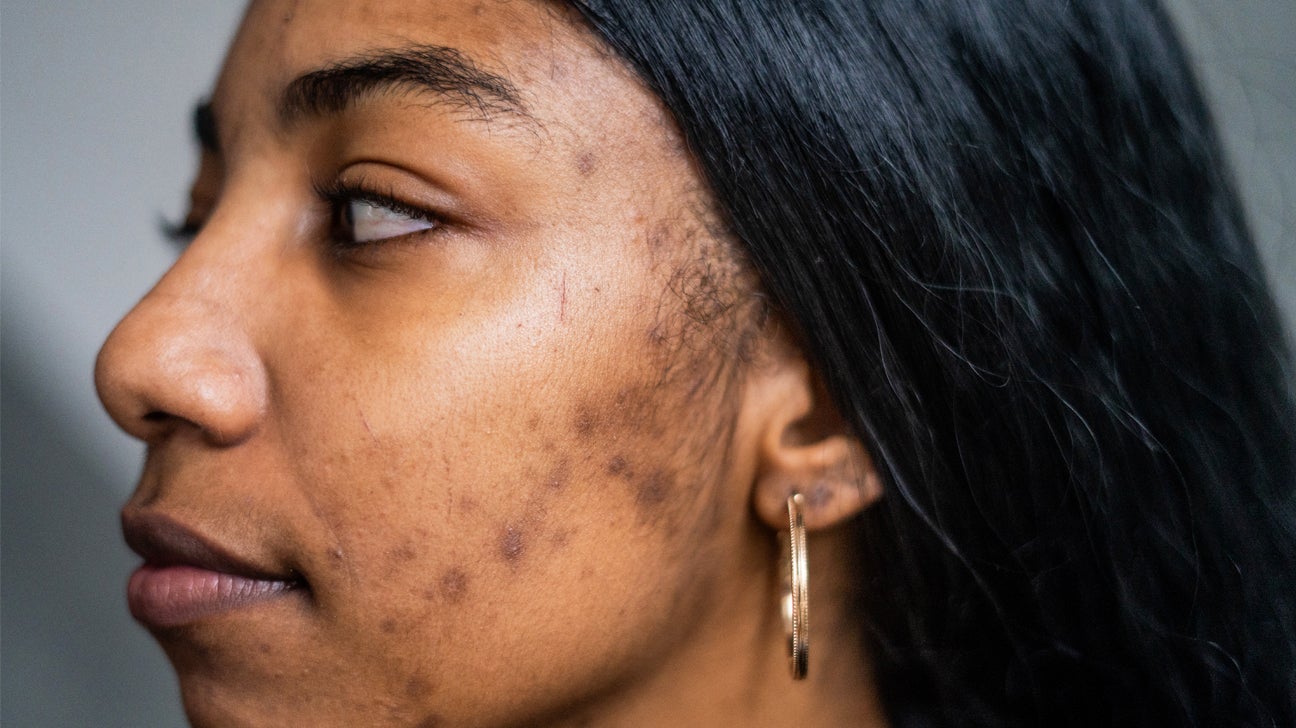
Even after pimples disappear, lingering marks can remain for weeks or months.
Post-Inflammatory Hyperpigmentation
These dark spots appear after inflammation heals. Sunscreen and brightening ingredients may gradually fade them.
Ice Pick Scars
These narrow, deep scars often require professional treatments such as microneedling or laser procedures.
Raised Scars
Some individuals develop thick, raised scars called keloids. Early treatment improves outcomes.
Preventing scars starts with avoiding picking and treating acne early.
Best Hygiene Practices for Acne-Prone Skin
Small hygiene changes can support healthier skin and reduce recurring breakouts.
Wash Towels Frequently
Dirty towels collect bacteria, oils, and dead skin cells.
Keep Hair Clean
Hair oils and styling products can transfer onto the shoulders and back.
Sanitize Workout Equipment
Gym benches and mats may carry sweat and bacteria from multiple users.
Change Bedding Regularly
Clean pillowcases and sheets reduce buildup that may contribute to irritation.
Avoid Sharing Personal Items
Sharing towels or clothing increases exposure to bacteria and oils.
How Long Does It Take to See Results?
One of the biggest challenges in skincare is remaining patient during the early stages of treatment.
Weeks 1–2
Some products may initially cause dryness or mild purging as pores begin clearing.
Weeks 3–6
Inflammation may slowly decrease, and fewer new breakouts may appear.
Weeks 6–12
Many people start noticing smoother texture and improved skin tone.
Beyond 12 Weeks
Long-term consistency often delivers the best improvement in acne prevention and scar reduction.
A realistic body acne treatment strategy focuses on steady progress instead of overnight perfection.
Skincare Tips for Different Skin Types
Every skin type reacts differently to products and environmental conditions.
Oily Skin
Look for lightweight gels and foaming cleansers. Ingredients like salicylic acid and niacinamide may help balance oil.
Dry Skin
Choose hydrating cleansers and avoid alcohol-heavy formulas that weaken the skin barrier.
Sensitive Skin
Patch-test new products carefully and avoid heavily fragranced formulas.
Combination Skin
A balanced routine with gentle exfoliation and non-comedogenic moisturizers often works best.
Seasonal Changes and Acne
Weather conditions influence the skin more than many people realize.
Summer
Heat and sweat can increase clogged pores, especially during outdoor activities.
Winter
Cold weather may dry the skin, leading to irritation and imbalance.
Monsoon and Humid Climates
Humidity encourages sweat buildup and bacterial growth.
Adjusting your routine based on the season can support more stable skin throughout the year.
Mental Confidence and Emotional Impact
Acne affects more than physical appearance. Persistent breakouts may influence self-esteem, social confidence, and emotional well-being.
Many individuals feel embarrassed wearing sleeveless clothing or participating in activities like swimming or sports. Remember that acne is extremely common and treatable.
Improving skin health takes time, but building healthy habits and realistic expectations can reduce frustration along the way.
Quick Prevention Checklist
- Shower after workouts
- Wear loose, breathable fabrics
- Avoid heavy oily lotions
- Change towels and bedding often
- Use non-comedogenic skincare products
- Stay consistent with your routine
- Avoid picking or squeezing pimples
Building a Sustainable Routine
One of the best ways to maintain healthy skin is by keeping your routine manageable.
Instead of buying dozens of trendy products, focus on the basics:
- Gentle cleansing
- Consistent moisturizing
- Targeted treatment ingredients
- Sun protection
- Healthy daily habits
A sustainable body acne treatment approach should fit comfortably into your lifestyle so you can maintain it long term.
Frequently Asked Questions
Can sweating alone cause acne?
Sweat itself does not directly cause acne, but leaving sweat trapped against the skin may contribute to clogged pores and irritation.
Is body acne different from facial acne?
Yes. The skin on the body is generally thicker and may respond differently to treatments.
Should I moisturize acne-prone skin?
Yes. Using a lightweight, non-comedogenic moisturizer helps protect the skin barrier and reduce dryness.
Can diet affect breakouts?
Some people notice improvements when reducing sugary or highly processed foods, though triggers vary between individuals.
How often should I exfoliate?
Most people benefit from gentle exfoliation once or twice weekly. Excess exfoliation may worsen irritation.
Are natural remedies enough?
Natural ingredients may soothe mild irritation, but moderate or severe acne often requires stronger treatments.
When should I seek professional help?
Consult a dermatologist if your acne becomes painful, leaves scars, or fails to improve after consistent care.
Can stress make acne worse?
Yes. Stress may increase inflammation and hormonal fluctuations that contribute to breakouts.
Conclusion
Clearer skin rarely happens overnight, but steady habits can create meaningful improvements over time. Understanding your triggers, choosing appropriate ingredients, maintaining proper hygiene, and supporting your overall health all contribute to healthier skin.
The most effective body acne treatment methods focus on consistency rather than harsh shortcuts. A gentle cleanser, targeted ingredients, breathable clothing, and healthy daily routines often provide better long-term results than aggressive scrubbing or trendy quick fixes.
If your acne becomes severe or emotionally overwhelming, seeking guidance from a dermatologist can help you find safer and more personalized solutions. Stay patient, track your progress, and remember that healthy skin is built through regular care and realistic expectations.
With commitment and the right routine, smoother and more confident skin is absolutely possible.
Read:-Complete Skin Guide for Clogged Pores, Bumps, and Blackheads Today