

Introduction
Tiny bumps across the forehead, chin, or cheeks can be frustrating to manage. These clogged pores often sit under the skin for weeks, creating rough texture and stubborn blackheads that seem impossible to clear. Unlike inflamed breakouts, these bumps may not appear red or painful, but they can still affect confidence and make makeup application uneven.
Finding the right comedonal acne treatment starts with understanding why pores become blocked in the first place. Excess oil, dead skin cells, sweat, heavy products, and environmental stress can all contribute to congestion. The good news is that consistent skincare habits and targeted ingredients can dramatically improve skin texture over time.
This guide explains the causes of clogged pores, the best ingredients for smoother skin, practical daily routines, professional options, and common mistakes people make while trying to clear their complexion.
What Is Comedonal Acne?
:max_bytes(150000):strip_icc()/VWH-DermNetNZ-ComedonalAcne-01-e645debc59d3485e8e89f6611669d700.jpg)
Comedonal acne is a non-inflammatory form of acne that develops when pores become clogged with oil, bacteria, and dead skin cells. It usually appears as:
- Whiteheads
- Blackheads
- Flesh-colored bumps
- Rough skin texture
- Small clogged pores around the forehead and chin
These breakouts can affect teenagers and adults alike. Hormonal changes, humid weather, stress, and improper skincare habits often increase congestion.
Unlike cystic acne, these bumps typically do not hurt. However, squeezing or picking them can lead to inflammation, irritation, and long-term scarring.
Common Areas Affected
| Area | Why It Happens | Common Trigger |
|---|---|---|
| Forehead | Excess oil and sweat buildup | Hair products |
| Chin | Hormonal fluctuations | Stress |
| Nose | Enlarged pores | Excess sebum |
| Cheeks | Heavy skincare products | Makeup residue |
| Jawline | Hormonal imbalance | Friction from masks |
Signs That Your Skin Is Congested
Many people confuse clogged pores with allergic reactions or irritation. Understanding the signs helps you choose the right products and avoid unnecessary treatments.
Uneven Texture
The skin may feel rough or bumpy even if visible pimples are not present. Makeup may settle unevenly across the face.
Tiny White Bumps
Closed pores often appear as small flesh-colored bumps beneath the skin surface. These bumps usually stay for long periods without coming to a head.
Blackheads
When trapped oil reacts with air, it oxidizes and turns dark. This creates blackheads, especially around the nose and chin.
Dull Appearance
Congested skin can appear tired and lack brightness because dead skin cells remain trapped on the surface.
Main Causes of Clogged Pores
Understanding triggers is important before starting any comedonal acne treatment plan. Treating symptoms without addressing the root cause often leads to recurring breakouts.
Excess Oil Production
People with oily skin naturally produce more sebum. When oil mixes with dead skin cells, it blocks pores and creates bumps.
Heavy Cosmetic Products
Thick foundations, greasy sunscreens, and pore-clogging moisturizers may trap dirt beneath the skin.
Inconsistent Cleansing
Sleeping with makeup or failing to wash away sweat can increase buildup over time.
Hormonal Fluctuations
Hormones can stimulate oil glands, especially during puberty, menstruation, stress, or pregnancy.
Humid Weather
Hot climates encourage sweat and oil production, increasing the chance of clogged pores.
Over-Exfoliation
Using harsh scrubs too often damages the skin barrier and may trigger more oil production.
Best Ingredients for Smoother Skin
Certain skincare ingredients work especially well for reducing congestion and improving texture.
Salicylic Acid
Salicylic acid penetrates deep into pores and dissolves excess oil. It is one of the most effective ingredients for blackheads and rough texture.
People with sensitive skin should begin slowly to avoid dryness or irritation.
Retinoids
Retinoids increase cell turnover and help prevent pores from becoming blocked. Dermatologists often recommend them for persistent texture issues.
Retinoids can initially cause peeling or dryness, so gradual use is important.
Niacinamide
Niacinamide helps regulate oil production while calming redness and supporting the skin barrier.
This ingredient pairs well with most skincare routines and suits many skin types.
Benzoyl Peroxide
Although more commonly used for inflamed acne, benzoyl peroxide can reduce bacteria and prevent clogged pores from worsening.
Azelaic Acid
Azelaic acid helps brighten uneven skin tone while gently unclogging pores.
It is often recommended for sensitive or redness-prone skin.
Clay and Charcoal
Clay masks absorb excess oil and remove impurities from the skin surface.
Weekly use may help reduce shine and congestion.
Daily Routine for Healthier Skin
A structured routine plays a major role in successful comedonal acne treatment. Consistency usually matters more than using dozens of expensive products.
Morning Routine
Gentle Cleanser
Use a mild cleanser that removes oil without stripping the skin. Harsh cleansers can worsen dryness and irritation.
Lightweight Serum
Choose serums with niacinamide or hydrating ingredients to balance oil levels.
Oil-Free Moisturizer
Hydration keeps the skin barrier healthy and prevents excess oil production.
Sunscreen
Daily sunscreen protects against pigmentation and irritation caused by acne products.
Look for non-comedogenic formulas that feel lightweight on the skin.
Evening Routine
Double Cleansing
Remove makeup and sunscreen thoroughly before using a water-based cleanser.
Exfoliating Product
Apply salicylic acid two or three nights per week depending on skin tolerance.
Retinoid Application
Retinoids work best at night because sunlight can reduce their effectiveness.
Moisturizer
Use a calming moisturizer to reduce dryness and support repair overnight.
Ingredients to Avoid
Some products can worsen congestion even when marketed as moisturizing or nourishing.
| Ingredient Type | Why It May Cause Problems |
|---|---|
| Heavy oils | Can trap debris inside pores |
| Thick waxes | Create buildup on oily skin |
| Alcohol-heavy toners | Disrupt the skin barrier |
| Harsh scrubs | Cause irritation and micro-tears |
| Fragranced products | May trigger sensitivity |
Reading labels carefully can prevent unnecessary irritation.
How Diet Influences Skin Health

Diet does not cause acne directly for everyone, but certain foods may contribute to increased oil production and inflammation.
High Sugar Intake
Sugary foods can increase insulin levels, potentially affecting hormones linked to oil production.
Dairy Products
Some individuals notice more congestion after consuming large amounts of milk products.
Processed Foods
Highly processed meals may contribute to inflammation in sensitive individuals.
Hydration Matters
Drinking enough water supports overall skin function and helps maintain a healthy barrier.
Skin-Friendly Foods
Foods rich in antioxidants, zinc, omega-3 fatty acids, and vitamins may support healthier-looking skin.
Examples include:
- Salmon
- Nuts
- Leafy greens
- Berries
- Seeds
- Avocados
Lifestyle Habits That Can Make Breakouts Worse
Daily habits often influence skin condition more than people realize.
Touching the Face Frequently
Hands transfer dirt, oil, and bacteria onto the skin.
Dirty Pillowcases
Pillowcases collect sweat, oils, and product residue over time.
Changing them regularly may help reduce congestion.
Stress
Stress hormones can stimulate oil production and worsen breakouts.
Lack of Sleep
Poor sleep may affect skin repair and increase inflammation.
Smoking
Smoking can weaken skin repair processes and contribute to dull texture.
For people dealing with recurring congestion, a consistent comedonal acne treatment routine often works better than constantly switching between trendy products.
Professional Procedures That May Help
Some individuals need additional support beyond home skincare. Dermatologists may recommend professional procedures depending on skin severity.
Chemical Peels
Chemical peels exfoliate the top layer of skin and help reduce clogged pores.
Mild peels often contain salicylic acid or glycolic acid.
Professional Extractions
Dermatologists can safely remove blackheads and trapped debris without causing scarring.
Laser Treatments
Certain laser procedures target oil production and improve skin texture.
Prescription Retinoids
Prescription-strength retinoids may provide faster improvement for persistent congestion.
Microdermabrasion
This procedure gently exfoliates dead skin cells and can improve rough texture.
Comparing Popular Treatment Options
| Treatment Option | Best For | Possible Side Effects | Frequency |
|---|---|---|---|
| Salicylic acid | Blackheads and oily skin | Dryness | 2–4 times weekly |
| Retinoids | Persistent bumps | Peeling | Nightly |
| Clay masks | Excess oil | Temporary dryness | Weekly |
| Chemical peels | Stubborn congestion | Mild irritation | Monthly |
| Niacinamide | Oil control | Rare sensitivity | Daily |
| Azelaic acid | Sensitive skin | Slight tingling | Daily |
Common Mistakes People Make
Avoiding these mistakes can improve the success of comedonal acne treatment over time.
Using Too Many Products
Layering multiple active ingredients can overwhelm the skin and increase irritation.
Picking at Bumps
Picking often spreads bacteria and increases the risk of scars.
Expecting Overnight Results
Skin turnover takes time. Most treatments require several weeks before visible improvement occurs.
Skipping Moisturizer
Many people with oily skin avoid moisturizer, but dehydration can actually increase oil production.
Ignoring Sunscreen
Acne products can make skin more sensitive to sunlight.
Without sunscreen, dark marks and irritation may worsen.
How Long Does Improvement Take?
Results depend on skin type, product consistency, and severity of congestion.
First Few Weeks
Some people experience dryness or purging when starting active ingredients.
This phase is usually temporary.
One to Two Months
Texture may begin to feel smoother, and blackheads often appear less noticeable.
Three Months and Beyond
Consistent routines can significantly reduce recurring congestion and improve overall skin clarity.
Patience is essential because skin renewal occurs gradually.
Tips for Sensitive Skin Types
People with sensitive skin should approach new products carefully.
Patch Test New Products
Testing products on a small area helps identify irritation before applying them across the face.
Start Slowly
Use exfoliating products once or twice weekly at first.
Avoid Fragrance
Fragrance-free products are generally less irritating for sensitive skin.
Focus on Barrier Repair
Hydrating ingredients such as ceramides and hyaluronic acid support skin recovery.
Seasonal Changes and Skin Congestion
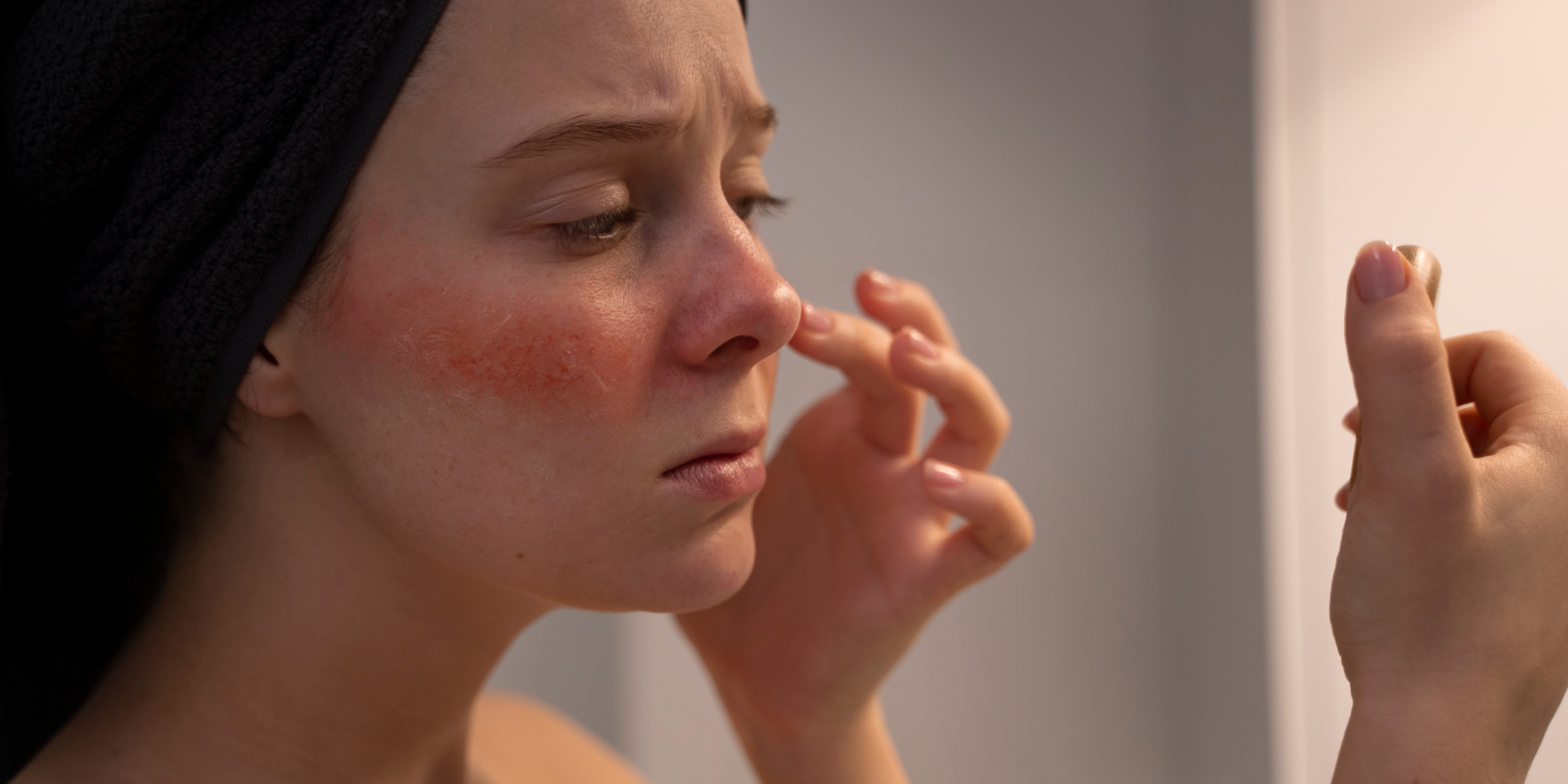
Weather changes often influence oil production and hydration levels.
Summer Months
Heat and humidity increase sweat and oil buildup.
Lightweight skincare products are usually more comfortable during warmer weather.
Winter Months
Cold air and indoor heating can dry out the skin.
Hydrating cleansers and moisturizers become especially important.
Monsoon Season
Humid conditions may increase bacterial growth and clogged pores.
Gentle cleansing can help remove sweat and excess oil.
Building a Budget-Friendly Routine
Good skincare does not always require expensive products.
Prioritize Essentials
A simple routine often includes:
- Gentle cleanser
- Moisturizer
- Sunscreen
- One active treatment
Avoid Trend Overload
Buying too many trendy products may irritate the skin and waste money.
Consistency Matters Most
Affordable products used consistently often perform better than expensive routines used occasionally.
Myth vs Reality
| Myth | Reality |
|---|---|
| Oily skin does not need moisturizer | Hydration helps balance oil production |
| Scrubbing harder clears pores faster | Over-scrubbing irritates the skin |
| Sun exposure cures acne | UV exposure can worsen marks and sensitivity |
| Toothpaste removes bumps | It can severely irritate the skin |
| Natural oils work for everyone | Some oils may clog pores |
Emotional Effects of Persistent Breakouts
Skin conditions can affect confidence, social comfort, and emotional well-being.
Many individuals feel frustrated when bumps persist despite trying multiple products. Comparing skin to filtered social media images can also increase insecurity.
Practicing patience and focusing on gradual improvement rather than perfection can support healthier expectations.
If skin concerns cause emotional distress, speaking with a dermatologist or mental health professional may be helpful.
When to See a Dermatologist
Professional advice may be necessary if:
- Breakouts become painful
- Over-the-counter products do not help after several months
- Scarring develops
- Severe irritation occurs
- Acne affects self-confidence significantly
Dermatologists can identify triggers and create personalized routines for stubborn cases.
Quick Skin Care Checklist
- Wash your face gently twice daily
- Use non-comedogenic skincare products
- Apply sunscreen every morning
- Avoid picking or squeezing bumps
- Keep pillowcases and makeup brushes clean
- Stay consistent with treatments
Frequently Asked Questions
What is the best comedonal acne treatment for beginners?
Beginners usually benefit from a gentle cleanser, salicylic acid, lightweight moisturizer, and daily sunscreen. Starting slowly helps reduce irritation.
Can clogged pores disappear naturally?
Mild congestion may improve naturally, but persistent buildup often requires consistent skincare and exfoliation.
Are retinoids safe for long-term use?
Many retinoids are considered safe when used correctly. Dermatologists often recommend them for ongoing texture improvement.
How often should exfoliating products be used?
Most people benefit from exfoliation two or three times weekly, depending on skin sensitivity.
Does makeup worsen clogged pores?
Heavy or poorly removed makeup can contribute to buildup. Non-comedogenic formulas are usually a better option.
Is oily skin more likely to develop bumps?
Oily skin types are generally more prone to congestion because excess sebum mixes with dead skin cells.
Conclusion
Choosing the right comedonal acne treatment involves patience, consistency, and realistic expectations. Gentle cleansing, balanced hydration, targeted ingredients, and healthy lifestyle habits can all support smoother and clearer skin over time.
Instead of chasing overnight results, focus on building a routine that supports long-term skin health. Small improvements each week often lead to noticeable changes after several months.
Whether you choose over-the-counter products or professional guidance, the key is staying consistent and avoiding harsh practices that damage the skin barrier. With the right approach, smoother texture and healthier-looking skin are achievable for most people.
Read:-Qullnowisfap Trends That Everyone Is Talking About Today